Advocating for Melbourne’s W Class Trams
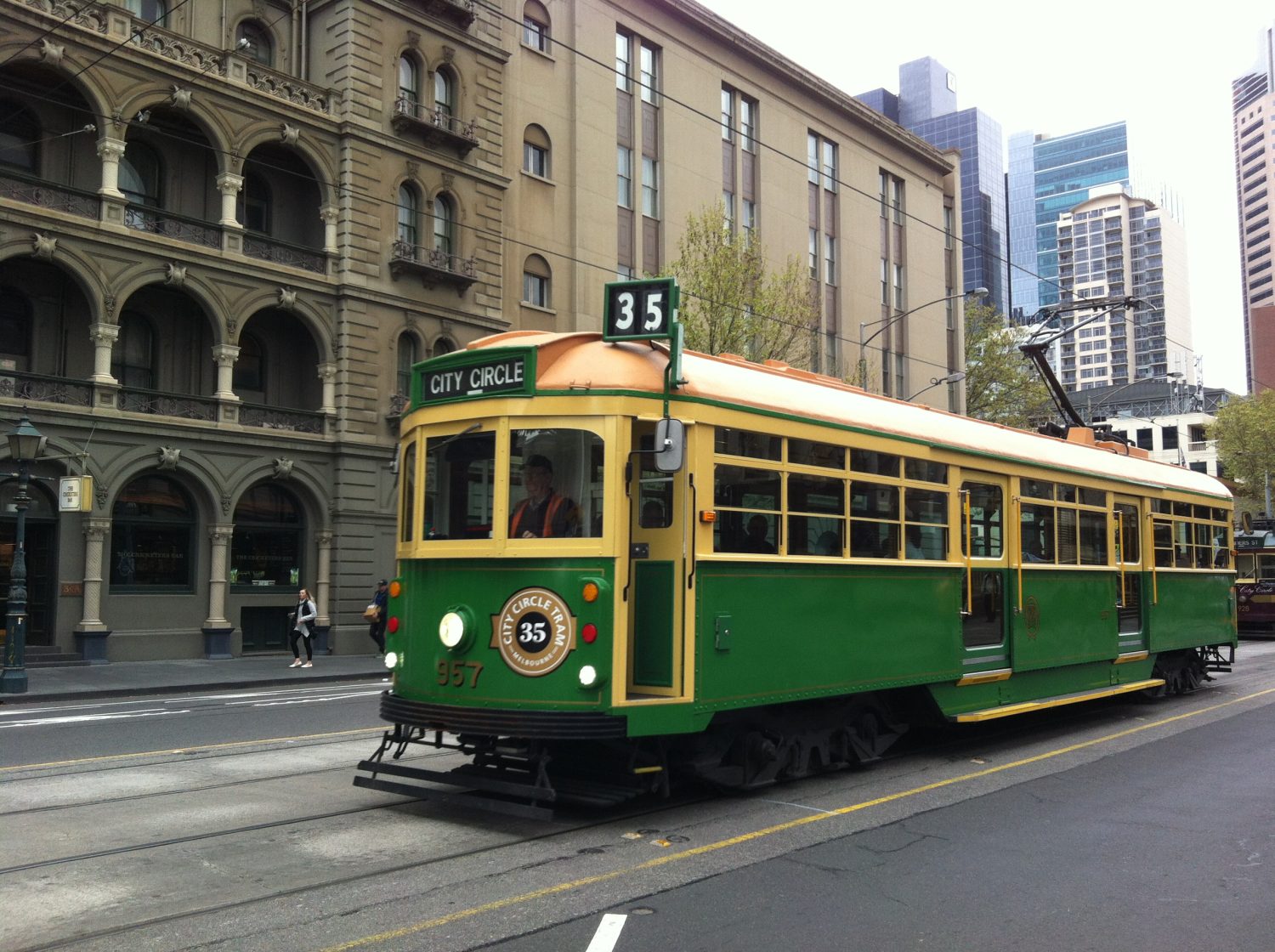
In 2016, the National Trust of Australia (Victoria) advocated for the retention of Melbourne’s iconic W Class trams. We called on the Victorian Government to place a moratorium on the disposal of retired W Class trams while a comprehensive reuse strategy could be developed.
The Trust supported the continued operation of W Class trams on dedicated tourism routes, ensuring these beloved vehicles would remain a living part of Melbourne’s streetscape.
Our Key Advocacy Priorities
The campaign focused on three main actions:
- Implementing a moratorium on the disposal of W Class trams no longer in service
- Conducting an audit of heritage trams held by Public Transport Victoria and VicTrack
- Establishing a committee to oversee the reuse of the trams, with appropriate Terms of Reference
Save Our Icons (2015)
In 2015, a number of W Class trams were removed from the fleet before any informed decisions about reuse had been made. In response, the National Trust partnered with Adam Dunning, local community groups, and heritage advocates to prevent further disposals without proper planning.
The 10-Point Plan
The National Trust developed a 10-point plan to guide the responsible reuse and long-term preservation of the W Class fleet:
- Establish a Ministerial W Class Steering Committee to determine operational stock and advise on future policy.
- Ensure all operational Ws at Newport Depot were secured from public access and stored undercover.
- Reserve all operational Ws for tourism, arts, and entertainment use.
- Prevent the sale or donation of operational trams for static purposes.
- Conduct an inventory of long-term stored Ws and develop a policy for appropriate static uses before any further disposal.
- Salvage and store essential mechanical and aesthetic parts from unusable trams for future repairs.
- Retain the paintwork, exterior, and classic interiors of Ws where possible, with upgrades limited to safety and logistics.
- Establish an independent operator to maintain and run a W Class tourism service.
- Develop a Grand Circle Line or similar route for dedicated heritage tram operations.
- Complete the restoration of two trams at Bendigo Workshops, as previously funded by government.
The plan was designed to enable the sympathetic and practical retention of this Melbourne icon.
Heritage Fleet Partnership
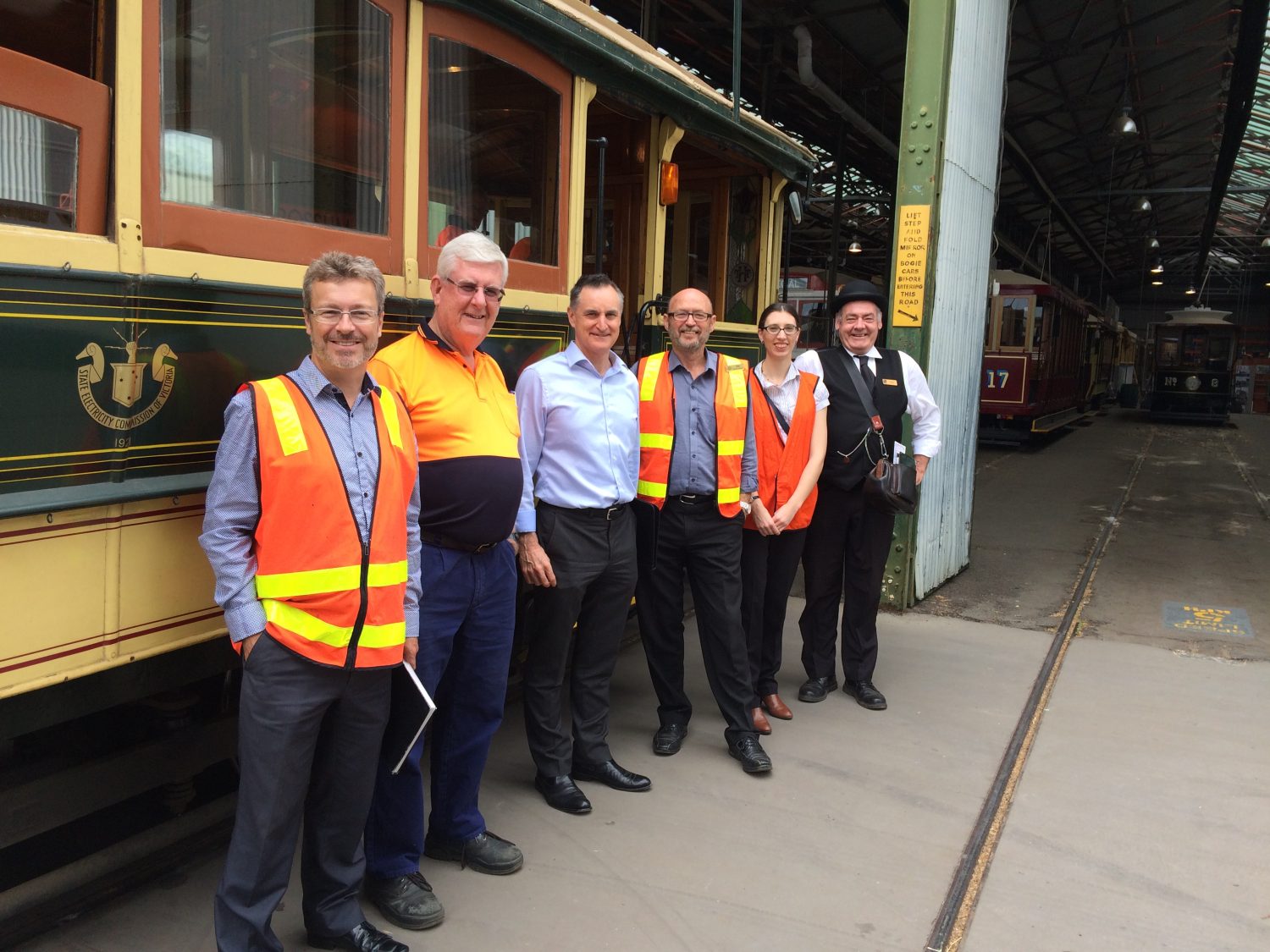
As part of the campaign, the National Trust partnered with a group of dedicated tram enthusiasts to identify which trams should be retained as part of a heritage fleet. The Bendigo Tramways Trust supported the campaign by offering their engineering expertise.
Background
The National Trust of Australia (Victoria) had been campaigning for the preservation of W Class trams for more than 25 years.
- First introduced in 1923, over 750 W Class trams were built and entered service until 1956.
- In 1990, the entire fleet was classified by the National Trust.
- The Kirner Government committed to retain 110 trams, and in 1993, the Kennett Government reaffirmed support to retain 53 Ws and refrain from selling surplus stock overseas.
- In 2000, the fleet was temporarily withdrawn to undergo a full braking system upgrade.
- Following further advocacy, the trams were reintroduced in 2002 on the City Circle line.
- Twelve W Class trams remained in service on this route.
In 2004, the Trust proposed a ‘Grand Circle’ tourism route, connecting key cultural and visitor destinations in the CBD and inner suburbs. While the route was never implemented, the campaign laid the groundwork for future discussions about heritage tram use in Melbourne.