


Focus Areas
What is Cultural Heritage?
Cultural heritage includes the tangible and intangible, the built and natural, the physical and the practised. It may be a historic building, a tree, a landscape, a tradition, or a work of public art.
Heritage is not static—it is dynamic, adaptive, and meaningful, connecting people and communities across generations and cultures.
How We Advocate
As custodians of over 40 historic places and leaders in the heritage sector, the National Trust applies a comprehensive approach to advocacy through:
- Influencing public policy and planning decisions
- Educating communities and decision-makers
- Leading by example through programming and property management
- Sharing knowledge and raising awareness through campaigns
Our Conservation & Advocacy team works in consultation with the National Trust Executive, Board, and Heritage Advocacy Committee. Together, we’ve developed an Advocacy Strategy to guide campaign activity and align our efforts across key themes and priorities.
Stay Informed
To follow the latest updates on our campaigns and heritage issues across Victoria:
- Visit the Trust Advocate blog
- Subscribe to our Advocacy News monthly email
For media enquiries, please contact: [email protected]
Current Campaigns
Traditional Trades
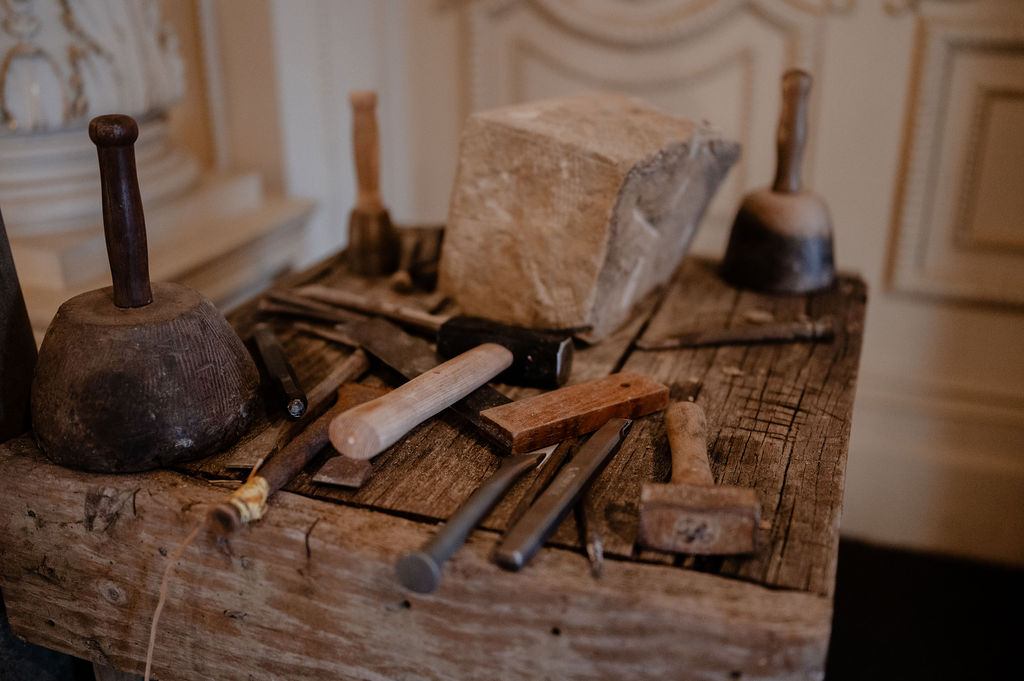
The National Trust is actively working to grow the network of traditional tradespeople and heritage custodians who use them in Victoria. There is limited knowledge in the community about conservation processes and their necessity for providing good conservation outcomes. There is also a critical need to address the ongoing issue of a diminishing pool of skilled conservation practitioners, as well as limited avenues and opportunities for practitioners to share their knowledge and develop skills in the traditional trades and conservation practices.
If these two issues are not addressed there will not be the conservation skills required to sustain cultural heritage values in Australia into the future.
Heritage is Climate Action
Although discussions about heritage in the context of climate change tend to focus on the risks that climate change poses to our heritage places, heritage, and in particular heritage conservation, is an inherently sustainable practice and there is significant potential for the adaptive reuse of heritage or historic buildings to mitigate the impacts of climate change.
It is now well established that investment in materials and the embodied energy of existing buildings generally emits less emissions than demolition and new construction, and the conservation of cultural landscapes protects trees and plants that sequester carbon and provide crucial habitats to support biodiversity. Through delivery of our Climate Action Plan the National Trust is promoting the link between heritage and sustainability to provide solutions to the climate crisis and lead by example.

Heritage and Wellbeing
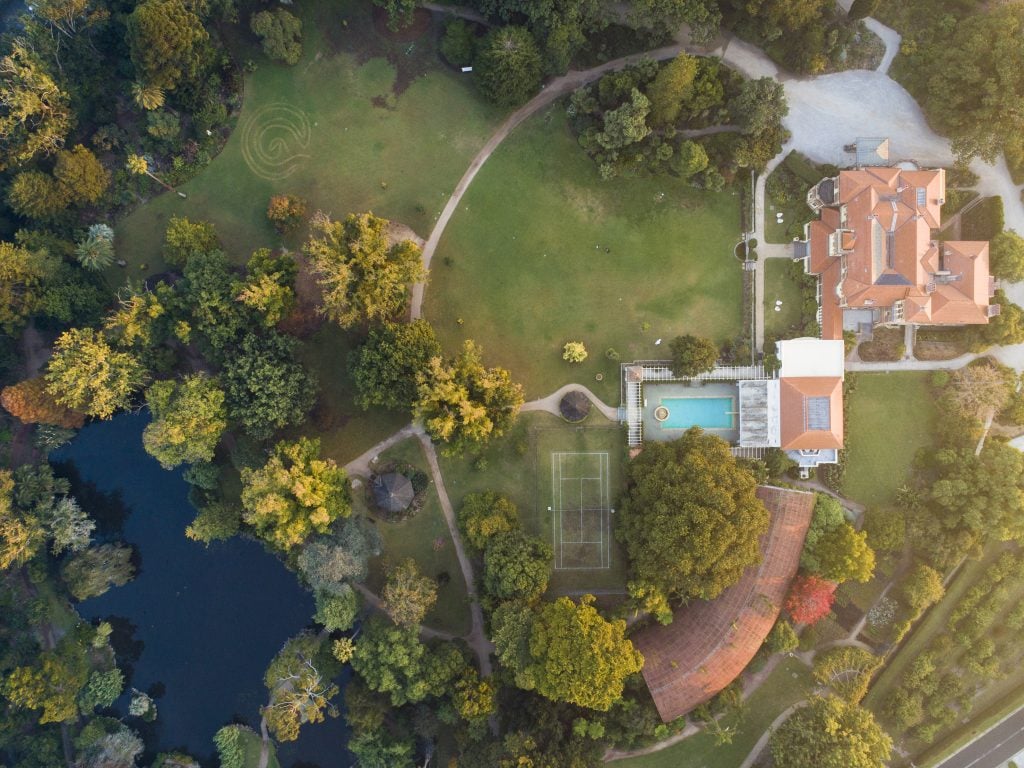
The protection, conservation and celebration of diverse heritage values supports connection to place, ongoing access to green and public open spaces, and cultural expressions that create our way of life. It is becoming increasingly understood that heritage contributes to social wellbeing, cohesion, and community buy-in. Embracing the many threads that colour our society’s rich tapestry of cultural heritage enables us to grow our respect, knowledge and passions.
Demonstrating how heritage contributes to health, wellbeing and thriving communities is at the very core of our mission “to champion Victoria’s diverse heritage, embrace the complexity of the past, and inspire connections to place for the benefit of current and future generations.”
Local Heritage
Levels of heritage significance, such as International, national, state, and local are not necessarily hierarchical. For the community who it is significant to, a place identified to be of “local” heritage significance may be more important to their identity and cultural expression than a place of “state” significance. Pressures like rapid urbanisation and unsustainable economic development are seeing an increasing disregard for the level of protection a local Heritage Overlay should provide and there is spread of misinformation incorrectly portraying heritage controls as anti-development.
We are working to champion local heritage and its importance by supporting local government and heritage custodians to identify, protect, manage and celebrate their local heritage. We achieve this through various projects and programs, such as the Victorian Heritage Restoration Fund.

Heritage and Good Design
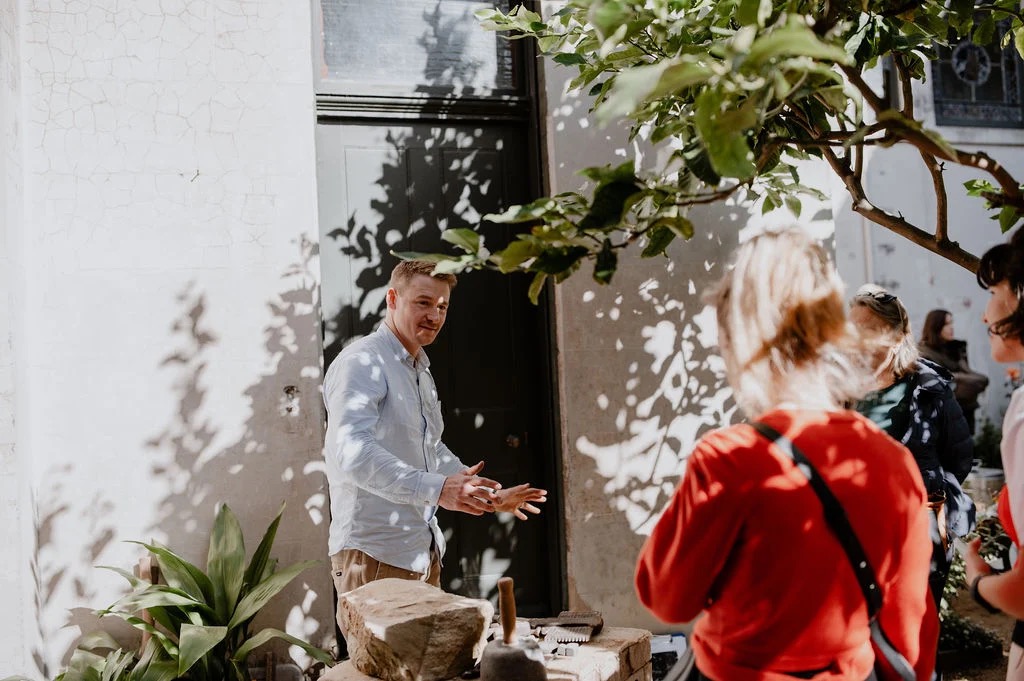
Heritage is as much about change, and how we manage our evolving community values and needs into the future, as it is about preservation. Heritage places are protected through our planning system because they are valued by communities and contribute to our sense of place and identity. The housing and development challenges we face require that the built environment design and development industry is strengthened to meaningfully valuing what we have now.
We need to produce skilled practitioners who are educated and equipped to thoughtfully respond to place and the inherent values of existing built and green assets. To sustainably enrich the existing places in which we live a multi-disciplinary approach that seriously considers the incorporation of heritage conservation, adaptive re-use, and diverse values expression is required.
Past Projects
Melbourne Metro Rail Project
Since planning for the Melbourne Metro Rail Project began in 2014, the National Trust of Australia (Victoria) has been advocating for cultural and environmental heritage to be a key consideration in planning for the project.
Suburban Modern Campaign
From Bendigo to Beaumaris, Melbourne’s Marvellous Modernism is under threat. The National Trust lead the fight to protect our gems of mid-century modernism.
In 2014, the National Trust published “Melbourne’s Marvellous Modernism: A Comparative Analysis of Post-War Modern Architecture in Melbourne’s CBD 1955 -1975.” This comprehensive survey informs our advocacy for post-war heritage in the heart of Melbourne.
Federation Square
The National Trust advocated for the architectural, aesthetic, historic, and social heritage values of Federation Square to guide any future change at the site, and for all planning to be open and transparent.
2020 Heritage Futures Forum
In February 2020, the National Trust hosted the Heritage Futures Forum in partnership with Business Models Inc, with the simple intention of convening a discussion around ‘heritage’ and to explore potential future ‘worlds’ in which heritage plays a key role in unlocking economic, environmental and social benefit.
Our Pubs
Since the unlawful demolition of the Corkman Irish Pub in 2016, highlighted the need to protect historic pubs from inappropriate development.
Bourke Hill Precinct
Bourke Hill, including the Parliamentary Precinct, the Windsor Hotel and the Palace Theatre was the scene of the most contentious heritage planning issues of the last decade in Melbourne
Heritage Resources following Bushfires
Following the devastating bushfires in 2020, the National Trust developed resources to connect members and supporters, and all custodians of cultural and natural heritage places, with advice to assist with long-term conservation and restoration.
W Class Trams
A better future for W Class Trams? The National Trust supports the maintenance, restoration and use of Melbourne’s W Class Tram fleet. Our heritage trams are iconic, and deserve to be conserved and celebrated.
Past Submissions
Parliamentary Inquiry into Heritage Protections
Read more about the Legislative Council’s Parliamentary 2022 Inquiry into the adequacy of the Planning and Environment Act 1987, and the National Trust’s response.
Planning Scheme Amendments
The National Trust prepares submissions and appears at planning panels in support of planning scheme amendments to apply heritage or landscape controls to significant places. Some of the amendments we have supported in the past are documented on our blog.