
Gulf Station
The farm buildings are all hand constructed using traditional techniques making use of the materials available. They show the development of the farm and its domestic uses.
Scottish immigrants Agnes and William Bell colonised the land in the 1850s to run a farm. The practical and hardworking Bell family were generous, resourceful and kind. They ran the Station for 100 years. Mary Anne Bell was the matriarch and after her husband died, she continued to run the property.
Hospitality was a matter of honour for the Bells, and no guest left without a hamper of farm produce.
During the gold rushes, the family prospered feeding diggers heading to the gold fields.
The National Trust acquired stewardship of the property in 1976 and restored its buildings and cottage garden.
Gulf Station Open Days
First Thursday & Last Sunday of the Month
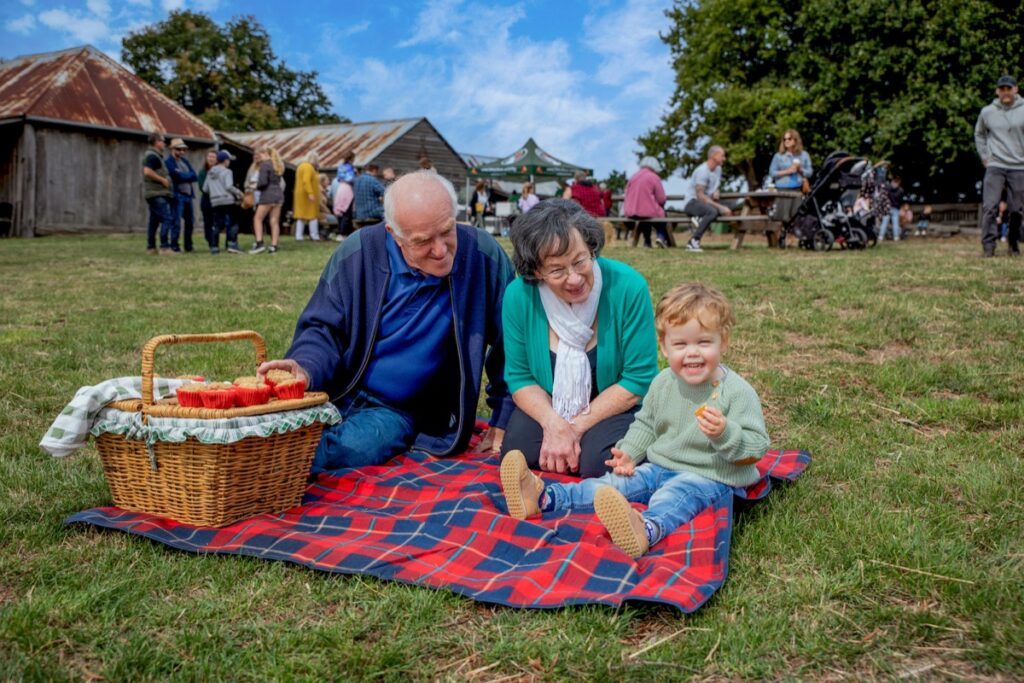
Families can choose a guided tour at 11:30 am or roam at their own pace, wandering through the homestead, old schoolhouse, and outbuildings. Meet the friendly Clydesdales, visit the sheep, and explore the sheds and barns where you can imagine life on a working farm.
Bring a picnic to enjoy on the lawn and immerse yourself in the domestic life of a colonial farming family, where a mother’s word was law and hard work was part of daily life.
Gulf Station
1029 Melba Highway
Yarra Glen 3775 VIC
Group bookings for 10+ available by appointment. Groups must contact us at least four weeks prior to your planned visit date. Please email [email protected] or call (03) 9656 9889.
Please note, Dogs are not permitted at the property at the request of the resident farm animals.
Discover

Discover pioneer life
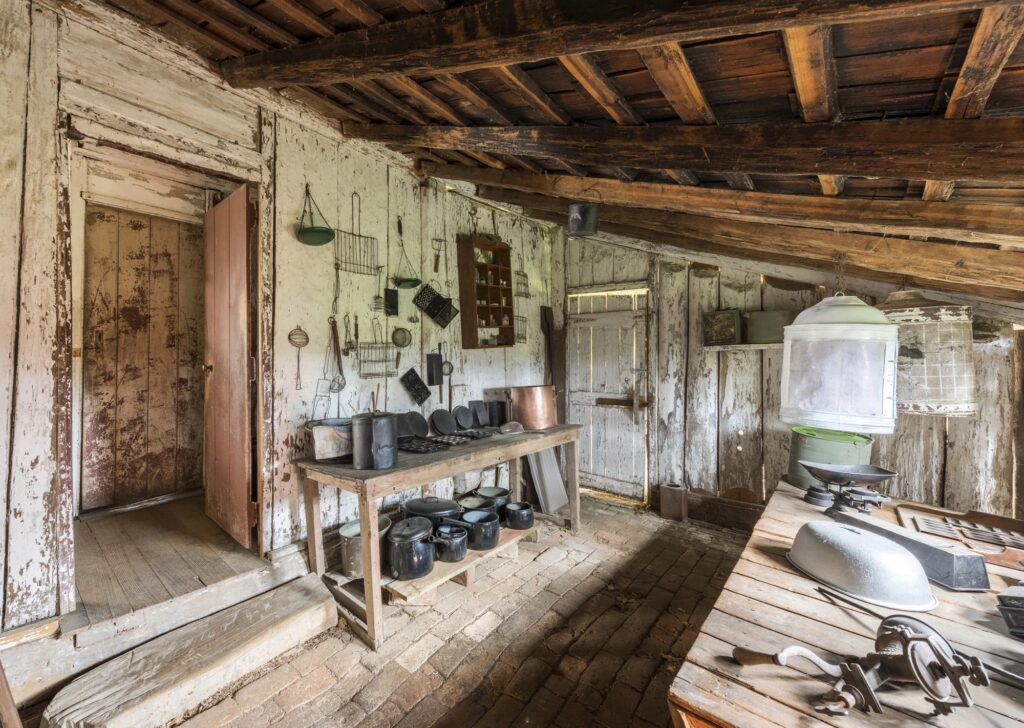
Gulf Station tells an exciting story about the daily life on a pioneer farm. Learn what life was like for a family living – and making a living – on the land in nineteenth century Australia.
Life without luxury
How did they clear and maintain the property without modern machinery? Keep food? Transport produce to market? Wash their clothes?

Before tractors, cars and electricity
Meet some of the farm animals which were vital to pioneer farmers, for both food and transport, like the friendly resident Clydesdale horses.
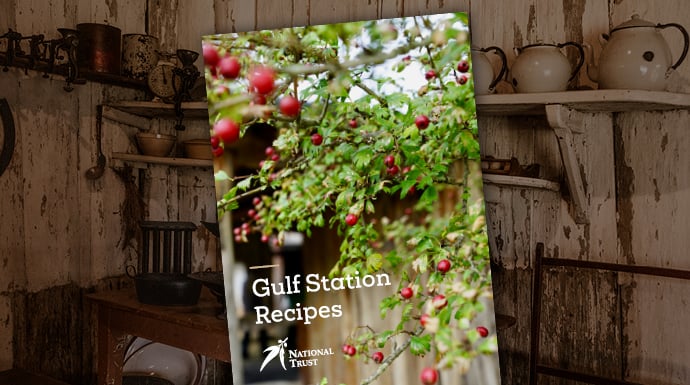
Gulf Station Recipe Book
Related Stories
All News & Stories-
 February 17, 2025
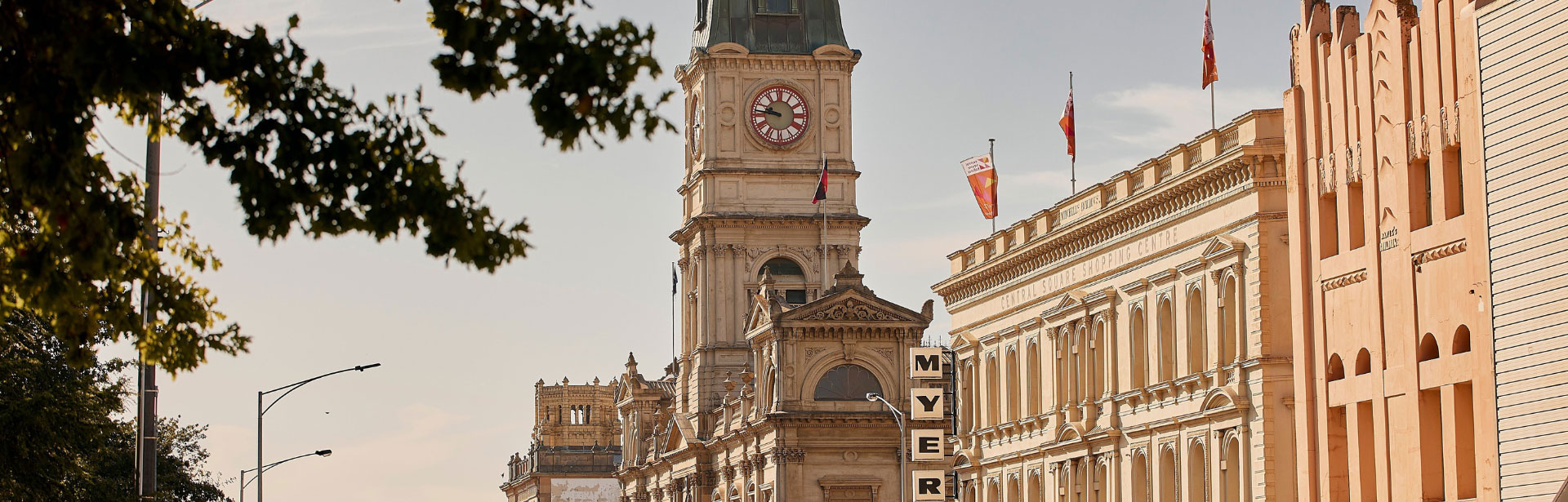
Victorian Goldfields added to Australia’s World Heritage Tentative list
What is Victorian Goldfields World Heritage Bid? The Victorian Goldfield’s has long been recognised as a well-preserved example of nineteenth century global gold rush landscape, and for its rich history from the First Peoples living on Country, to waves of immigration. The Victorian Goldfields World Heritage Bid seeks to achieve World -
 February 12, 2025
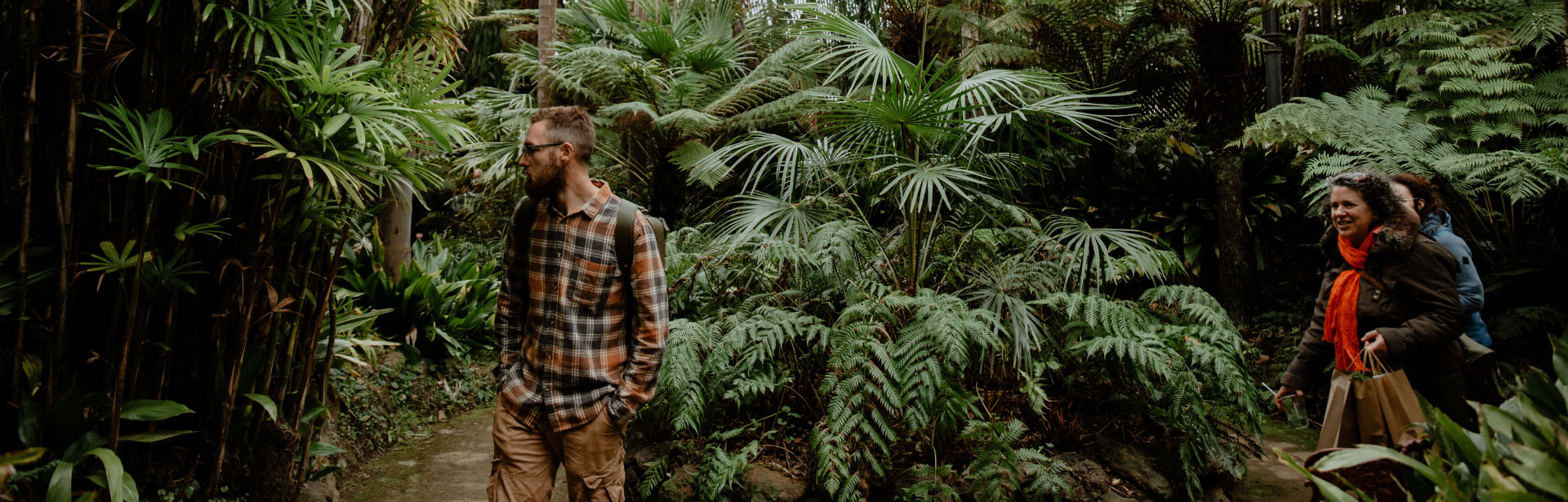
5 Ways to Unwind and Practice Wellness at Rippon Lea Estate
In our fast-paced modern lives, many of us seek alternate ways of reducing stress by connecting with nature. We all intuitively feel the health benefits of time spent in nature. Our mental, physical, and emotional well-being are nurtured when we take time to unplug, breathe, and immerse ourselves in the natural world. -
 January 13, 2025
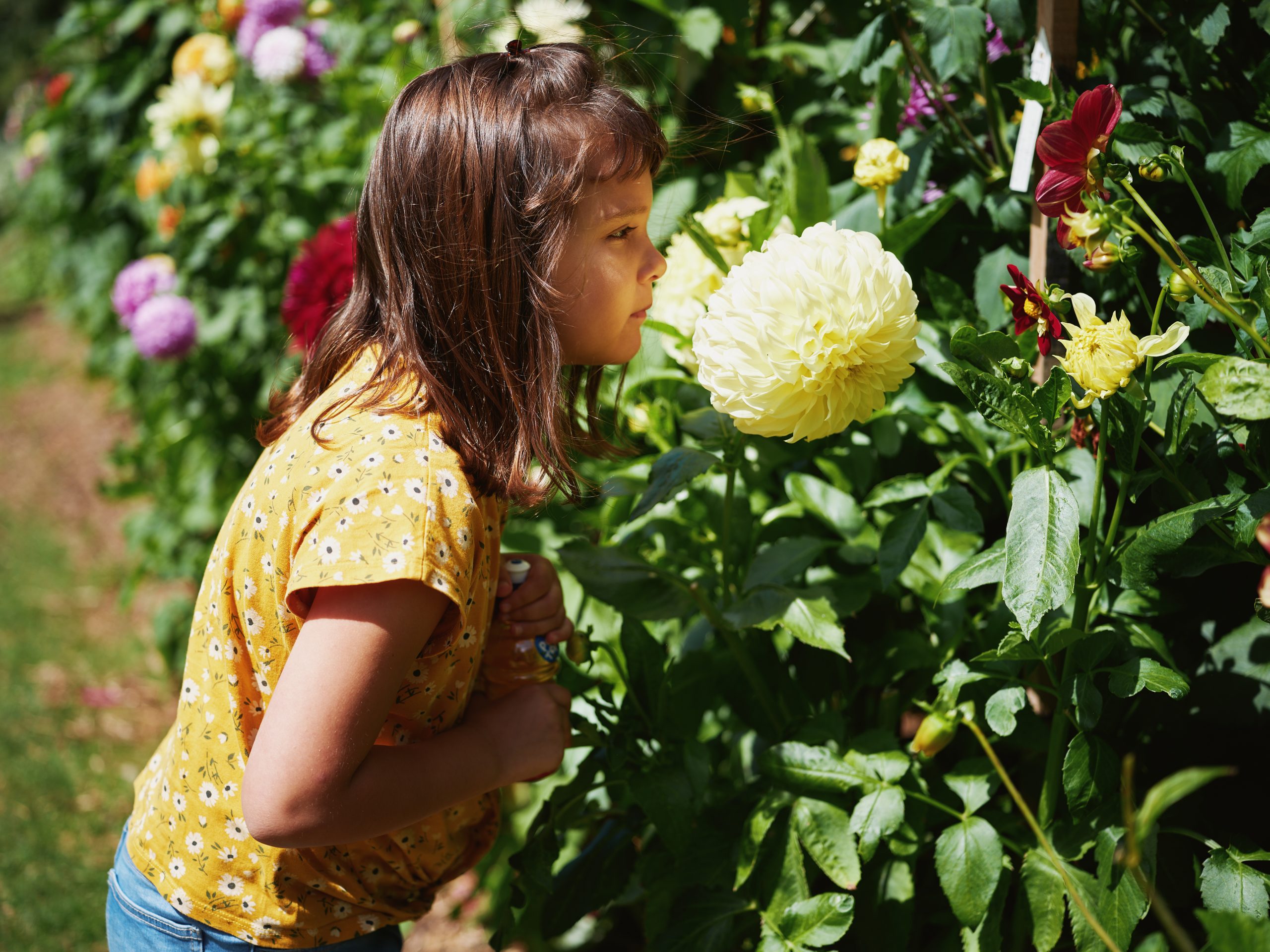
Top 5 Summer Activities for Every Age and Interest