
Thinking Archaeologically
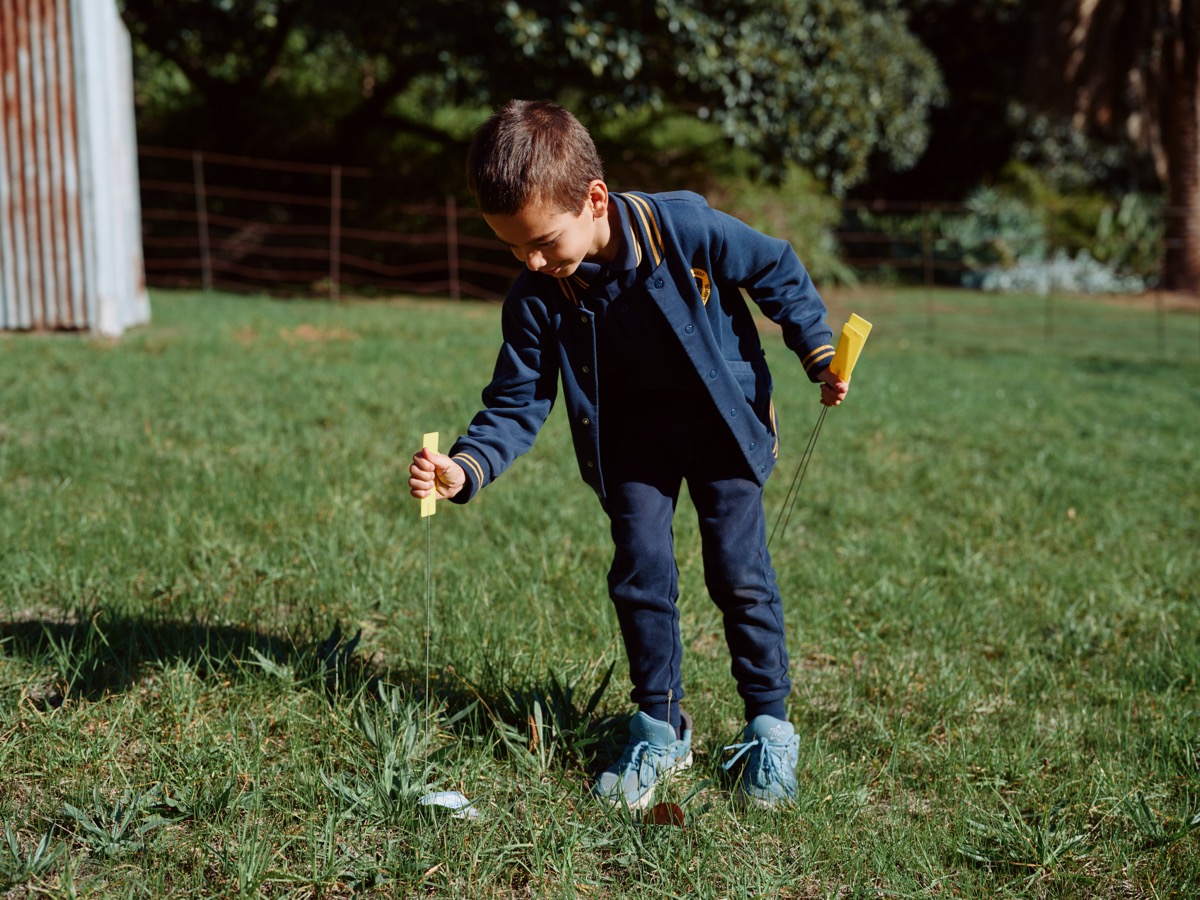
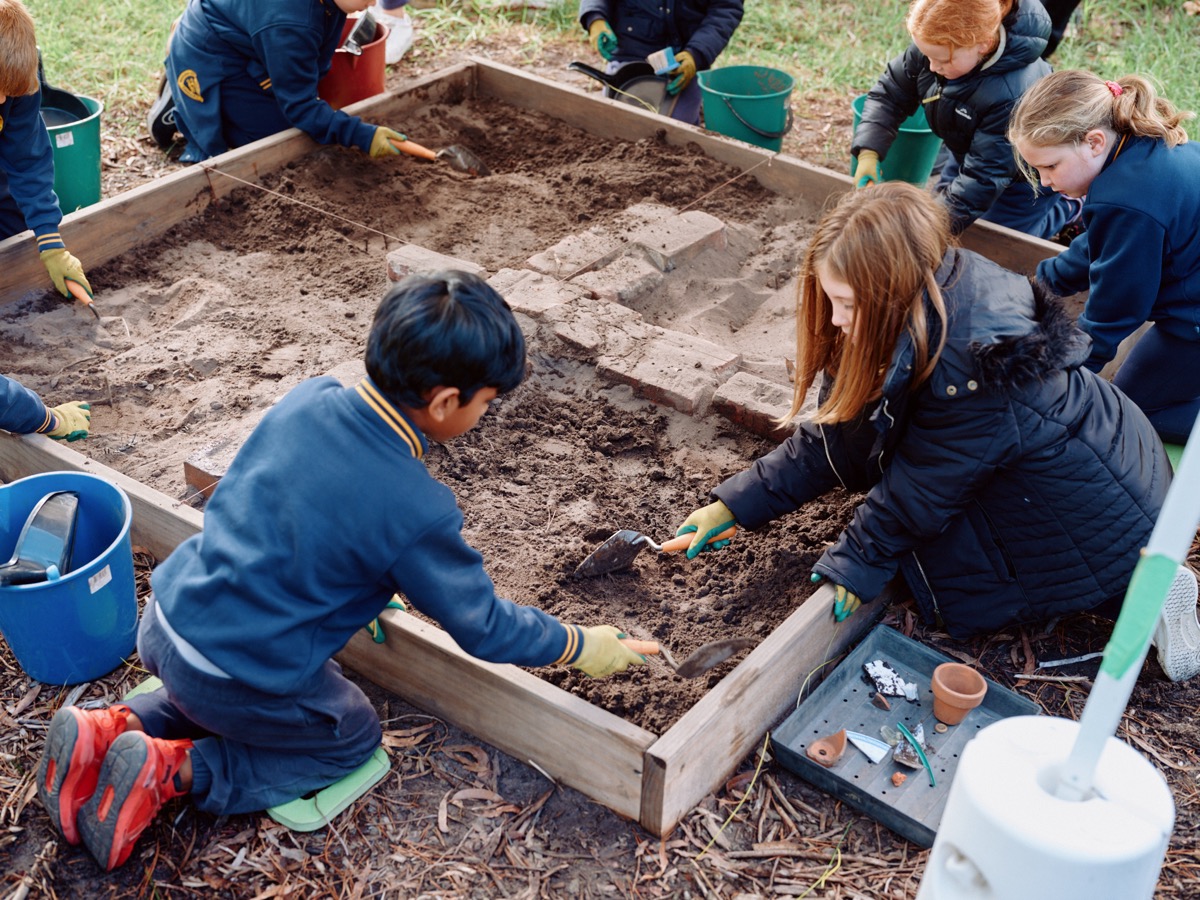
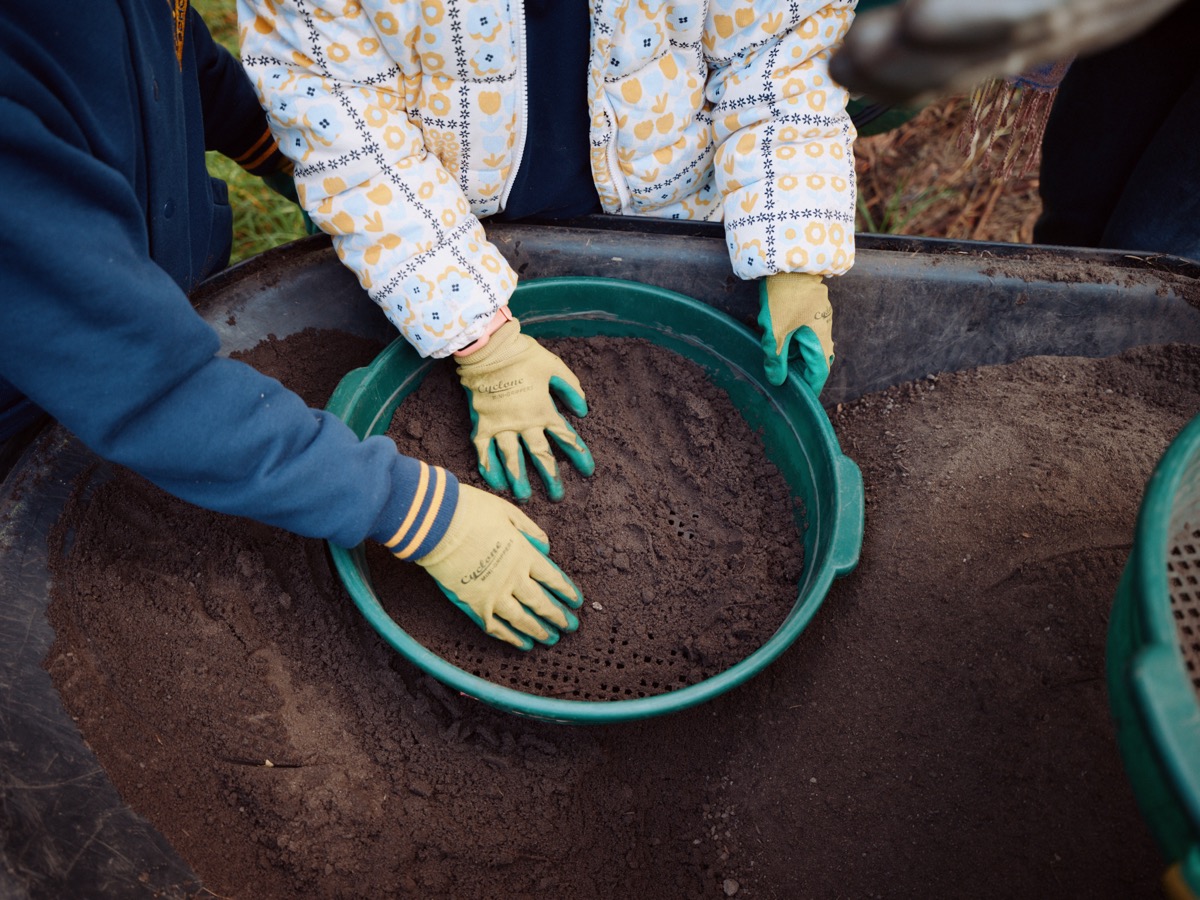
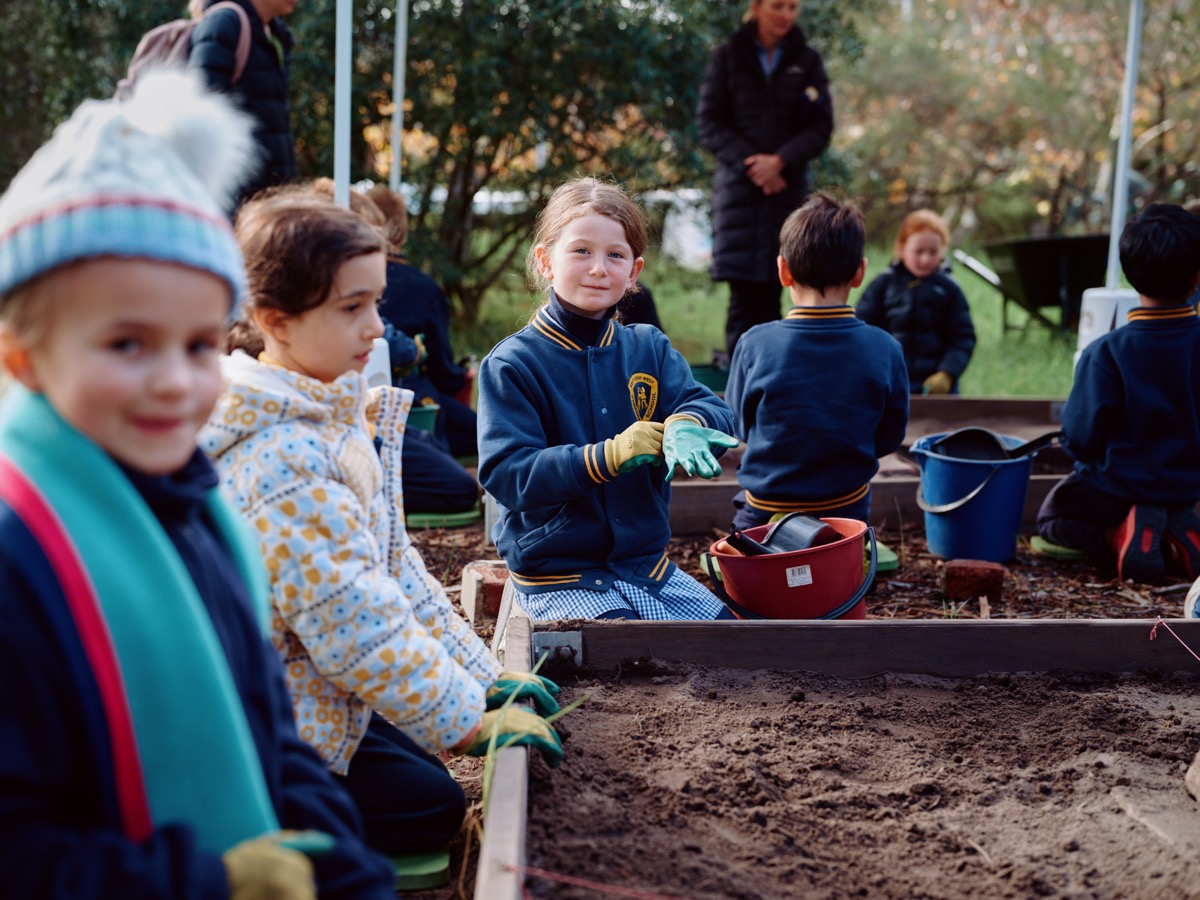
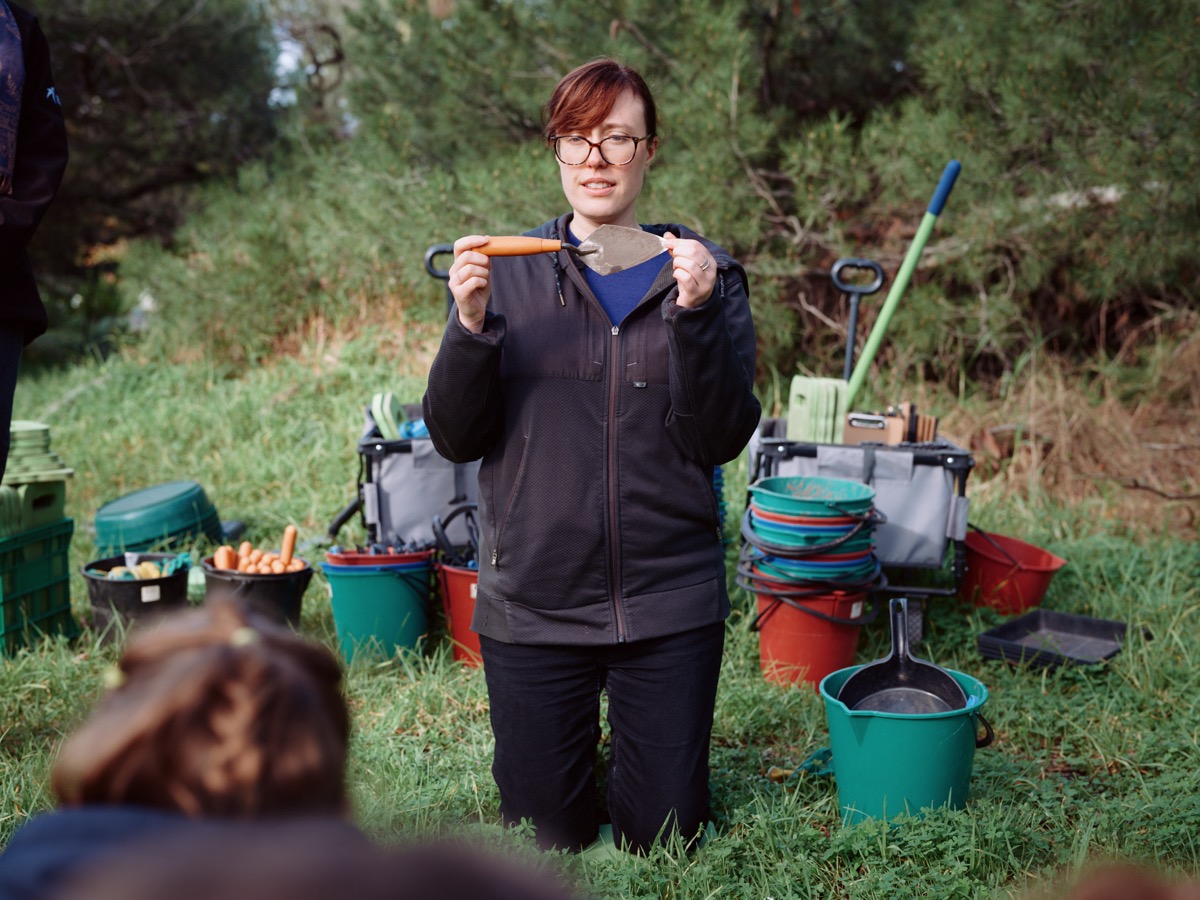
Join the National Trust’s team of archaeologists to uncover hidden stories of the past as revealed through archaeological artefacts. Turn your classroom into an archaeology lab with our curriculum aligned incursion program.
Developed in collaboration with archaeologist Dr Georgia Stannard at La Trobe University, each program is curriculum-aligned. Choose from incursion or excursion options, across primary to year 10. All programs are supported by a comprehensive resource package for teachers, including lesson notes, comprehensive glossary and activity sheets.
About the Program
Australia’s Deep Time past spans at least 65,000 years. Over this extensive timeframe, archaeologists have revealed much about past communities—their technologies, food, resources, and culture. But how do we know these things?
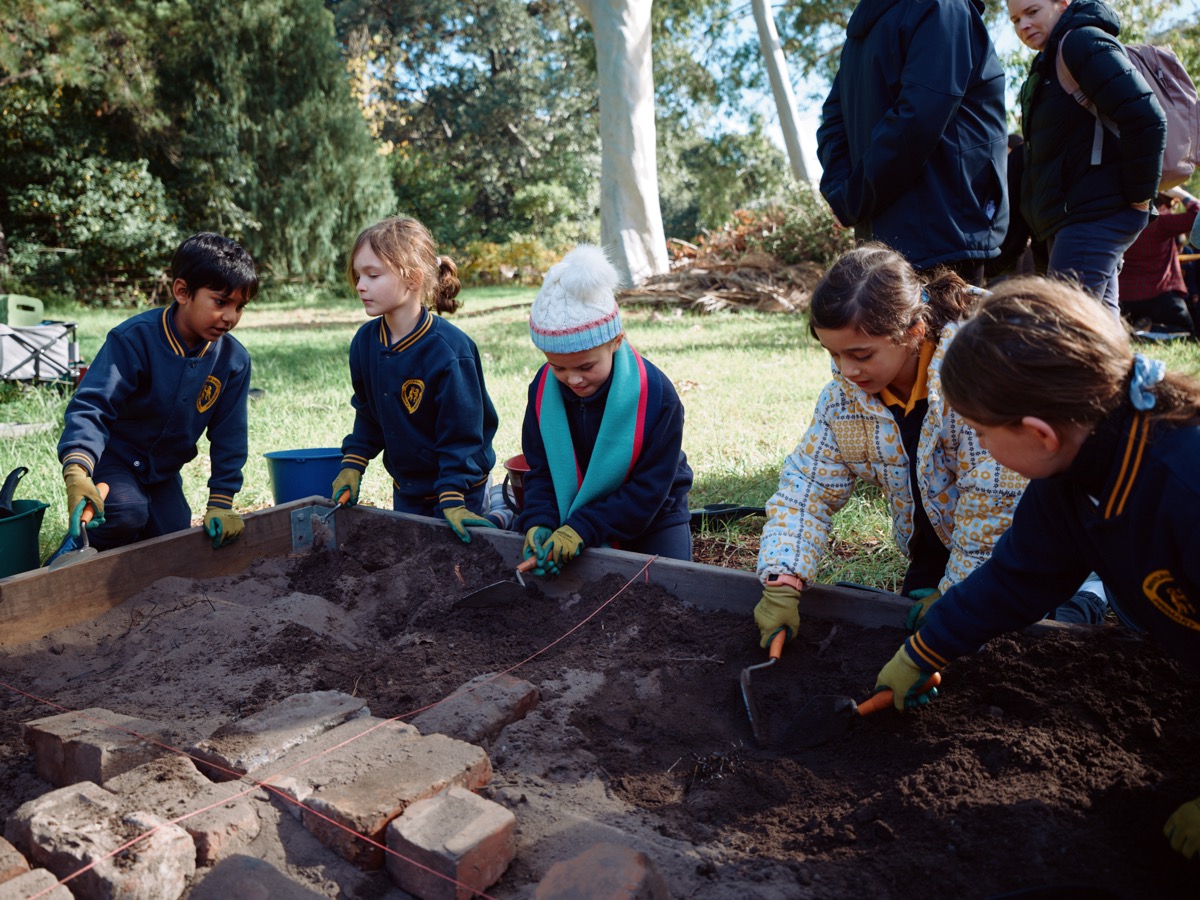
‘Thinking Archaeologically’ is Victoria’s only education excursion program in archaeology. This multidisciplinary experience offers students a hands-on opportunity to explore the tools and techniques used throughout various stages of the archaeological investigation process, including activities on excavation, surveying, analysis, and interpretation. During the program, students are guided by a trained archaeologist to safely investigate a simulated colonial-era site at either our Como House (South Yarra) or Barwon Grange (Geelong) properties.
Curriculum Links
| Year Level | Subject | Strand | Sub-strand | Content descriptions | Students will… |
|---|---|---|---|---|---|
| Level 2 | History | Historical Concepts and Skills | Historical Questions | Ask historical questions about objects, people, places and events in the past and present (VC2HH2S01) | Be supported to ask the Dig Director historical questions about the simulated archaeological site and the artefacts they uncover, exploring both past and present contexts. |
| Using Historical Sources | Identify the features and content of sources (VC2HH2S03). | Explore ways in which information about the past is communicated through artefacts. | |||
| Science | Science as a Human Endeavor | Nature and Development of Science | Scientific knowledge is based on observations of the natural world using the senses, and scientific tools and instruments (VC2S2H01). | Use their senses and archaeological tools to explore the site and uncover more about its historical context. | |
| Science Inquiry | Planning and Conducting | Scientific questions and predictions can be investigated safely by following procedures that have sequenced steps (VC2S2I02). | Follow detailed instructions from their Dig Director to safely excavate the simulated site and conduct their investigations. | ||
| Geography | Geographical Knowledge and Understanding | Places and our Connections to Them | The natural and constructed features of places, how they change and how they can be cared for (VC2HG2K05). | Identify historical features that still exist today and explore how archaeology helps protect and preserve this history. | |
| Concluding and Decision-Making | Draw conclusions and make proposals about places (VC2HG2S04). | Draw conclusions about how the site may have appeared in the past and how people interacted with it. Consider how this fits into the broader landscape of the heritage site. | |||
| Communicating | Develop narratives and share observations about places, using sources such as maps and photographs (VC2HG2S05). | Create a narrative about the history of the site, including what may have happened there and how it has changed, using sources such as photographs and artefacts to support their observations. | |||
| Levels 3 and 4 | History | Historical Concepts and Skills | Using Historical Sources | Identify the features and content of historical sources (VC2HH4S03). | Analyse excavated artefacts to inform an understanding of the historical site. |
| Science | Science Inquiry | Questioning and Predicting | Observations can be used as a basis for posing questions to identify patterns and relationships, and to predict the outcomes of investigations (VC2S4I01). | With the help of the Dig Director, form a hypothesis that will guide their investigation of the simulated site. | |
| Planning and Conducting | Scientific investigations to answer questions or test predictions can be planned and conducted using provided scaffolds, including identifying the attributes of fair tests, and considering the safe use of materials and equipment (VC2S4I02). | Demonstrate safe use of archaeological techniques and appropriate tools to excavate the site, following the guidelines provided. | |||
| Communicating | Observations, findings and ideas can be communicated for an identified purpose and audience by using scientific vocabulary and digital tools as appropriate (VC2S4I06). | Discuss their excavation findings with the class and use a research manual to analyse the artefacts and site in detail, using scientific vocabulary and tools. | |||
| Levels 5 and 6 | History | Historical Concepts and Skills | Using Historical Sources | Describe the features, content and context of historical sources (VC2HH6S03). | Use critical thinking to examine artefacts, describing their features and context to infer details about colonial life in Victoria. Estimate the artefacts' age and potential uses. |
| Historical Questions | Ask and develop historical questions to direct historical investigations (VC2HH6S01). | Develop a hypothesis for the archaeological site based on historical questions, using it to guide their analysis of the site and its artefacts. | |||
| Science | Science Inquiry | Questioning and Predicting | Investigable questions and reasoned predictions can be used in guiding investigations to identify patterns and test relationships (VC2S6I01). | Make predictions about what may be discovered at the site based on their observations of the surroundings and historical context, guiding their investigation . | |
| Communicating | Scientific ideas, findings, patterns, trends and relationships can be communicated for a specific purpose and audience, using various presentation formats, scientific vocabulary and digital tools as appropriate (VC2S6I06). | Use archaeological vocabulary to communicate their findings with the class and present scientific ideas. | |||
| Geography | Geographical Knowledge and Understanding | Management of Places | How places and environments are changed and managed by people (VC2HG6K01). | Recognise European influences on the excavation site and its surrounding environment. Analyse what this reveals about Victoria’s population in the 1800s and its development up to today. |
| Year Level | Subject | Strand | Sub-strand | Content descriptions | Students will… |
|---|---|---|---|---|---|
| Levels 7 and 8 | History | Historical Knowledge and Understanding | Overview: Levels 7 and 8 | The different methods and sources of evidence used by historians and archaeologists to investigate early societies, and the importance of archaeology and conserving the remains, material culture and heritage of the past (VC2HH8K03). | Investigate selected archaeological methods and evidence used to study early societies and reconstruct historical environments, underscoring the significance of preserving material culture and heritage. |
| Historical Concepts and Skills | Historical Questions | Develop and use historical questions to inform historical investigations (VC2HH8S01). | Formulate a hypothesis based on historical questions and use it to guide the analysis of the archaeological site and its artefacts. | ||
| Using Historical Sources | Explain the features, content and context of historical sources (VC2HH8S03). | Analyse artefacts by explaining their features and context to infer details about colonial life in Victoria, including their age and uses. | |||
| Science | Science as Human Endeavour | Nature and Development of Science | Scientific knowledge, including models and theories, can change because of new evidence (VC2S8H01). | Recognise how new archaeological evidence can shift our understanding of people and places, demonstrating that scientific knowledge, models, and theories evolve with new findings. | |
| Science Inquiry | Questioning and Predicting | Investigable questions, reasoned predictions and hypotheses can be developed in guiding investigations to identify patterns, test relationships and analyse and evaluate scientific models (VC2S8I01). | Formulate a hypothesis about potential findings in their excavation based on historical context and surroundings. Use this hypothesis to guide the investigation, analyse patterns, and evaluate trends. | ||
| Evaluating | Evidence-based arguments can be constructed to support conclusions or evaluate claims, including consideration of ethical issues and protocols associated with using or citing secondary data or information (VC2S8I07). | Propose interpretations and reconstructions of the site based on archaeological evidence, constructing evidence-based arguments while considering the limitations of secondary data. | |||
| Communicating | Communicating ideas, findings and arguments for specific purposes and audiences involves the selection and use of appropriate presentation formats, scientific vocabulary, models and other representations, and may include the use of digital tools (VC2S8I08). | Discuss their excavation findings with the class, using archaeological and scientific vocabulary to effectively communicate their ideas and arguments. | |||
| Geography | Geographical Knowledge and Understanding | Water in the World | The environmental, economic, social and other measures used to evaluate places for their liveability, and the influence of liveability on where people live (VC2HG8K06). | Note the location of the excavation site relative to the Yarra River / Barwon River and infer why this area was selected for European settlement in the 1840s based on environmental, economic, and social factors influencing liveability. |
Program Details
Monday to Friday during school terms
3 hours for Primary
3.5 hours for Secondary
15-60 students per session.
Teacher/carer:student ratio: 1:10
$15 per student
Please complete the Expression of Interest form to see if your school is eligible for government-funded archaeology programs.
Click here to access the Task Risk Assessment document.
This program requires students to walk up and down hills, kneel on the ground, and dig with a trowel.
To book, complete the Online Booking Form. For enquiries, email [email protected] or phone (03) 9656 9889.
Free and Subsidised Programs
Como House, South Yarra or Barwon Grange, Geelong
Corner Williams Rd & Lechlade Ave,
South Yarra 3141
Barwon Grange, Geelong
25 Fernleigh Street
Newtown, VIC 3220
What is Deep time?
Related Programs
-
3D Interactive Court Room
Try visiting the interactive Court Room to get an idea of how a court works.
-
Crime and Punishment
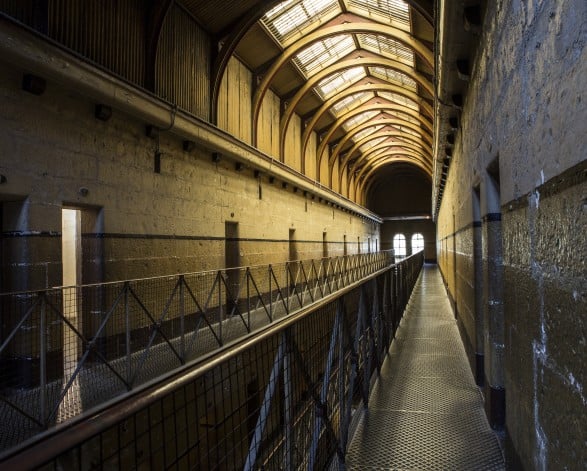
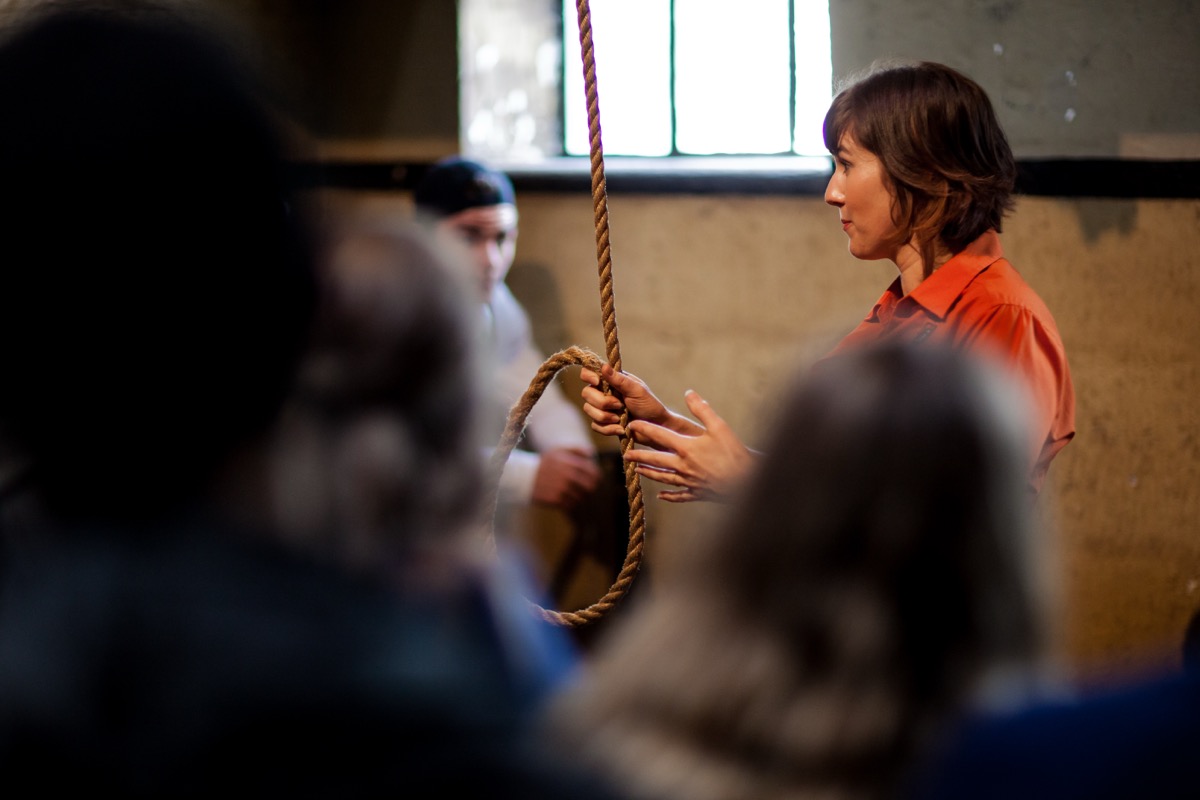
Uncover past punishments in this tour of the Old Melbourne Gaol. Discuss corporal punishments such as the cane and the infamous cat-o-nine-tails; solitary confinement, and capital punishment.
-
Crime and Punishment
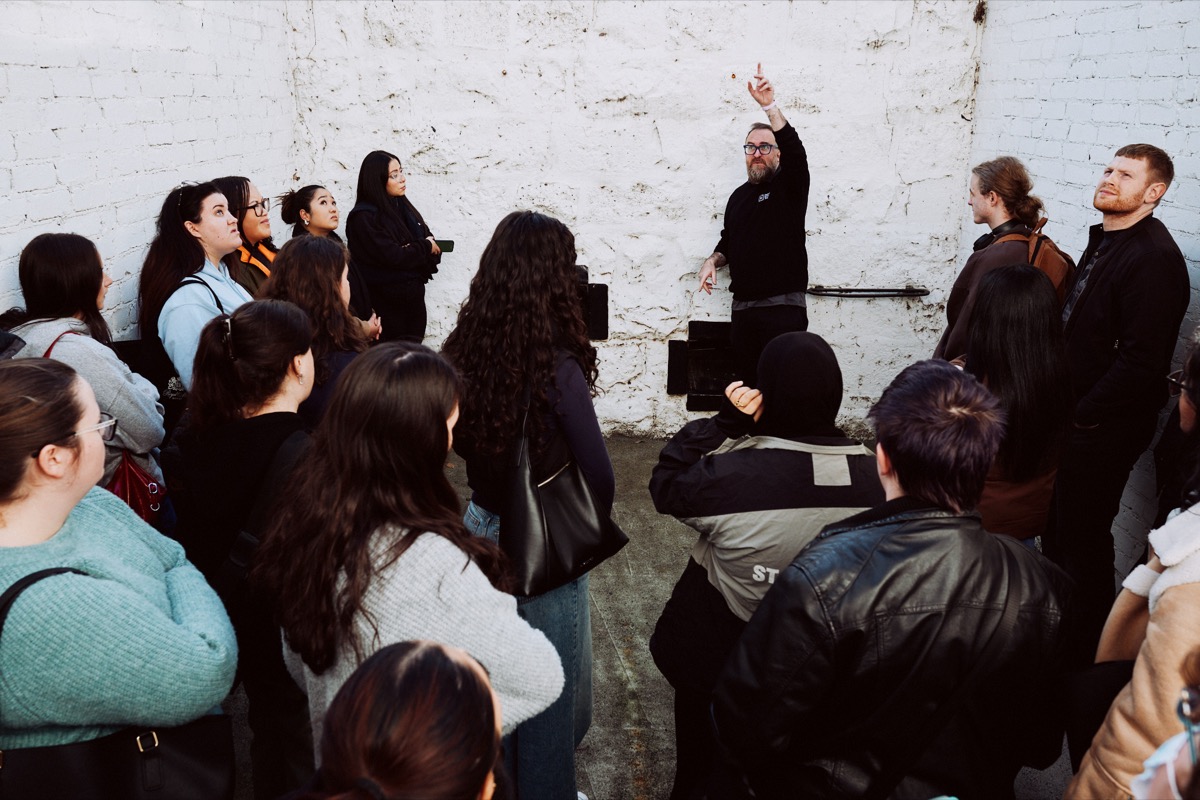
Join your guide for a tour of the notorious H Division to learn about the “prison within a prison” which housed the most dangerous inmates at Pentridge from the 1950s through to the 1980s.