
The Fashion Trunk Show
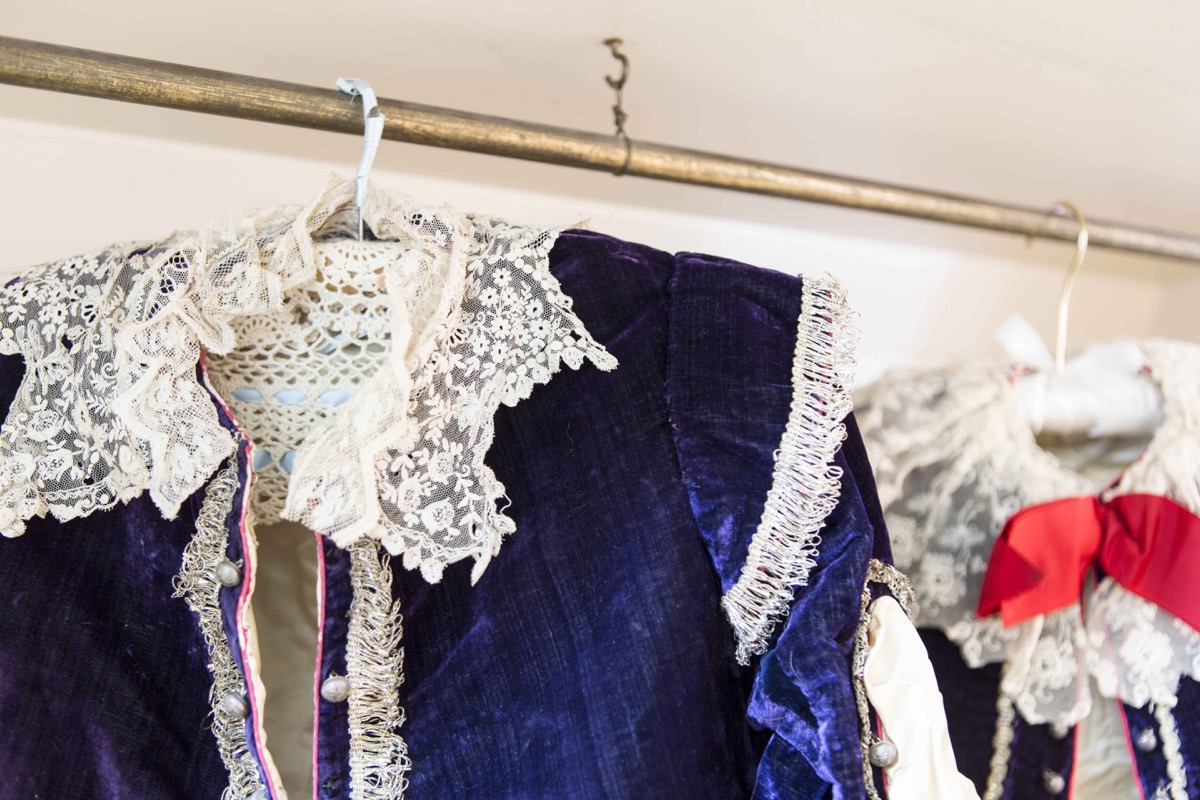
The National Trust has an incredible costume collection that spans many years of wear.
About the Program
Savour a glimpse into women’s lives through time with the Fashion Trunk Show. The National Trust of Australia (Victoria) is the custodian of a significant and vast collection of fashion dress dating from the 1830s through to the 1970s. One of our trained educators will bring a curated selection of these garments into your classroom for a hands-on analysis, where students discover the impact of changing technologies and fashions in garment creation and explore what those changes meant in terms of sustainability and society.
Curriculum Links
| Subject | Strand | Sub-strand | Outcome | During the incursion students will… |
|---|---|---|---|---|
| Design and Technologies | Technologies and Society | Investigate the ways in which designed solutions evolve locally, nationally, regionally and globally through the creativity, innovation and enterprise of individuals and groups (VCDSTS044) | Discover the changing techniques and technologies used to create garments throughout time, with a focus on sustainable methods and use. | |
| Creating Designed Solutions | Investigating | Critique needs or opportunities for designing and investigate, analyse and select from a range of materials, components, tools, equipment and processes to develop design ideas (VCDSCD049) | Be inspired by historical garments, equipment, tools, processes and technologies to consider possible methods that could be utilised in the 21st century. | |
| Generating | Generate, develop and test design ideas, plans and processes using appropriate technical terms and technologies including graphical representation techniques (VCDSCD050) | In the teacher pack, students are given the opportunity to take a historical garment that they examined to create their own design, focusing on sustainability and traditional methods of manufacturing. | ||
| Evaluating | Independently develop criteria for success to evaluate design ideas, processes and solutions and their sustainability (VCDSCD052) | Evaluate a garment by deeply analysing the techniques and materials used. | ||
| History | Historical Concepts and Skills | Historical Sources as Evidence | Analyse and corroborate sources and ask questions about their accuracy, usefulness and reliability (VCHHC099) | Analyse the garments as time capsules of historical society. |
| Chronology | Describe and explain the broad patterns of change over the period from the Ancient to the Modern World (VCHHC098) | Discover the changing world of fashion over 200 years in Australia through object-based learning. |
| Subject | Strand | Sub-strand | Outcome | During the incursion students will… |
|---|---|---|---|---|
| Design and Technologies | Technologies and Society | Explain how designed solutions evolve with consideration of preferred futures and the impact of emerging technologies on design decisions (VCDSTS055) | Discover the changing techniques and technologies used to create garments throughout time, with a focus on sustainable methods and use. | |
| Creating Designed Solutions | Investigating | Critique needs or opportunities to develop design briefs and investigate and select an increasingly sophisticated range of materials, systems, components, tools and equipment to develop design ideas (VCDSCD060) | Be inspired by historical garments, equipment, tools, processes and technologies to consider possible methods that could be utilised in the 21st century. | |
| Generating | Apply design thinking, creativity, innovation and enterprise skills to develop, modify and communicate design ideas of increasing sophistication (VCDSCD061) | In the teacher pack, students are given the opportunity to take a historical garment that they examined to create their own design, focusing on sustainability and traditional methods of manufacturing. | ||
| Evaluating | Evaluate design ideas, processes and solutions against comprehensive criteria for success recognising the need for sustainability (VCDSCD063) | Evaluate a garment by deeply analysing the techniques and materials used. Students will recognize the sustainable nature of garments in the past, being worn, mended and reworked as fashions changed, rather than buying new. | ||
| History | Historical Concepts and Skills | Historical Sources as Evidence | Analyse and corroborate sources and evaluate their accuracy, usefulness and reliability (VCHHC123) | Analyse the garments as time capsules of historical society. |
| Chronology | Analyse and evaluate the broad patterns of change over the period 1750–present (VCHHC122) | Discover the changing world of fashion over 200 years in Australia through object-based learning. |
| Unit and area of study | Key knowledge or skills | Students will... |
|---|---|---|
| Unit 1: Sustainable Product Redevelopment AOS1 | The environmental, economic and social impacts associated with the origin/source, manufacture, use and disposal of products. | Understand how garments were manufactured both pre- and post- industrialisation and how this process impacted the landscape, community and climate. |
| Approaches used by designers to incorporate sustainability practices in product design. | Discover the sustainable methods of women in the 19th and early 20th centuries to mend, redesign and re-wear garments for many years as fashions changed rather than buying new. | |
| Creative and critical design thinking techniques. | Analyse garments from the past using a criteria and critical thinking skills. | |
| Analyse the sustainability of an existing product. | Analyse how the garments shown rank on sustainability when thinking about length of use, method of manufacture, materials used and environmental impact. |
Program Details
Monday – Friday during school terms.
1.5 hours
Minimum 15, maximum 30 students.
3 sessions per day.
$12 per student.
Click here to access the Task Risk Assessment document.
Teachers will receive a detailed resource pack that includes suggested pre- and post-incursion activities upon booking.
To book, complete the Online Booking Form. For enquiries, email [email protected] or phone (03) 9656 9889.
Related Programs
-
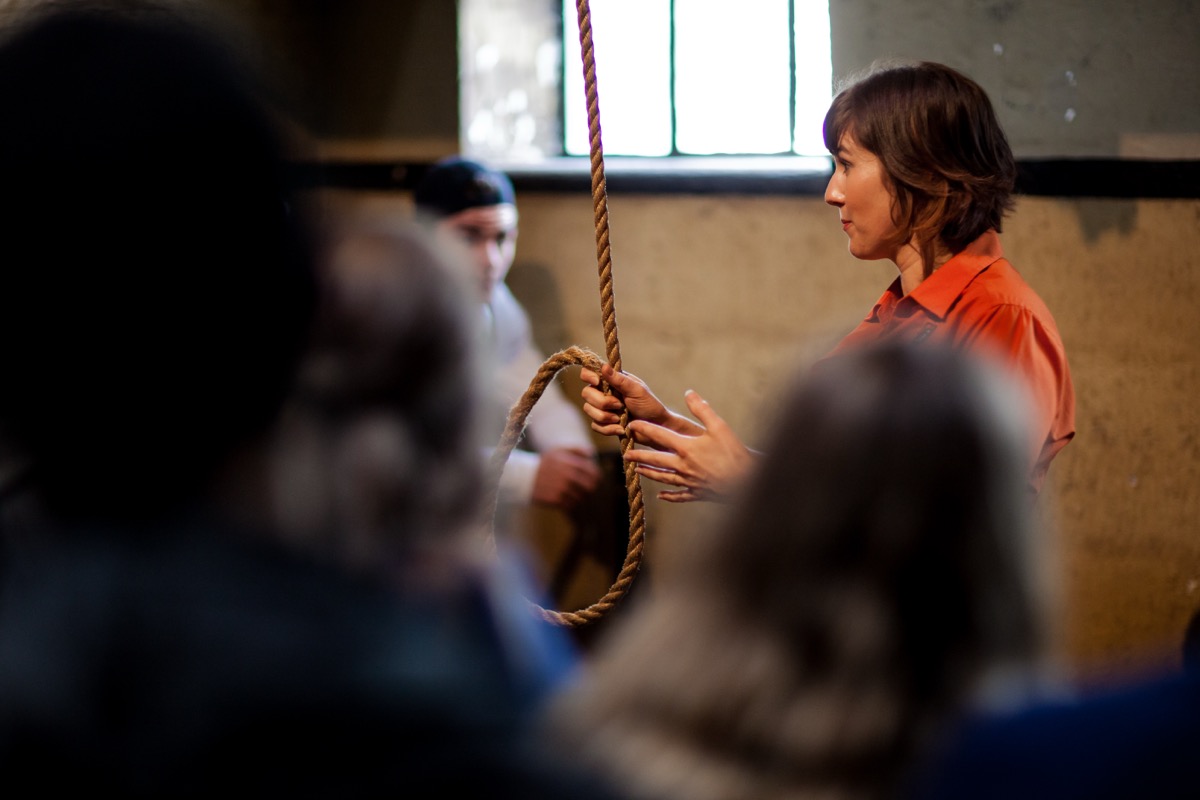
Crime and Punishment
Uncover past punishments in this tour of the Old Melbourne Gaol. Discuss corporal punishments such as the cane and the infamous cat-o-nine-tails; solitary confinement, and capital punishment.
-
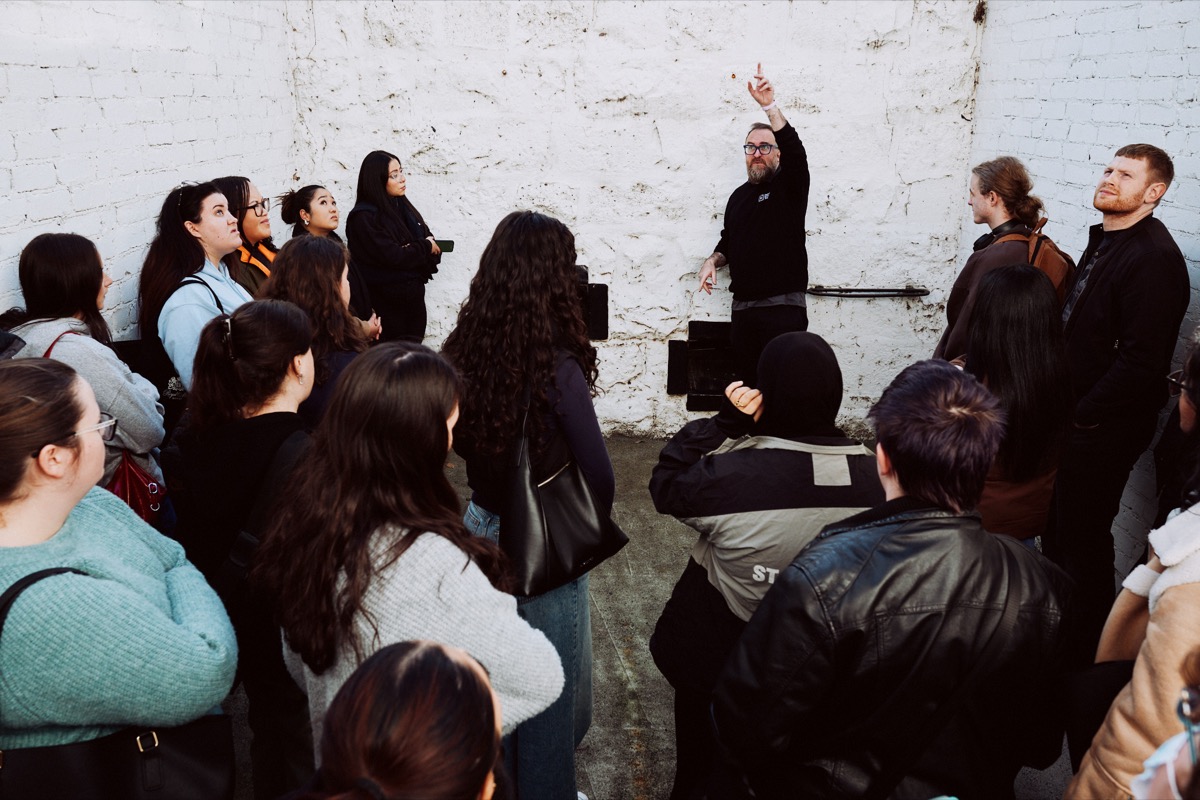
Crime and Punishment
Join your guide for a tour of the notorious H Division to learn about the “prison within a prison” which housed the most dangerous inmates at Pentridge from the 1950s through to the 1980s.
-
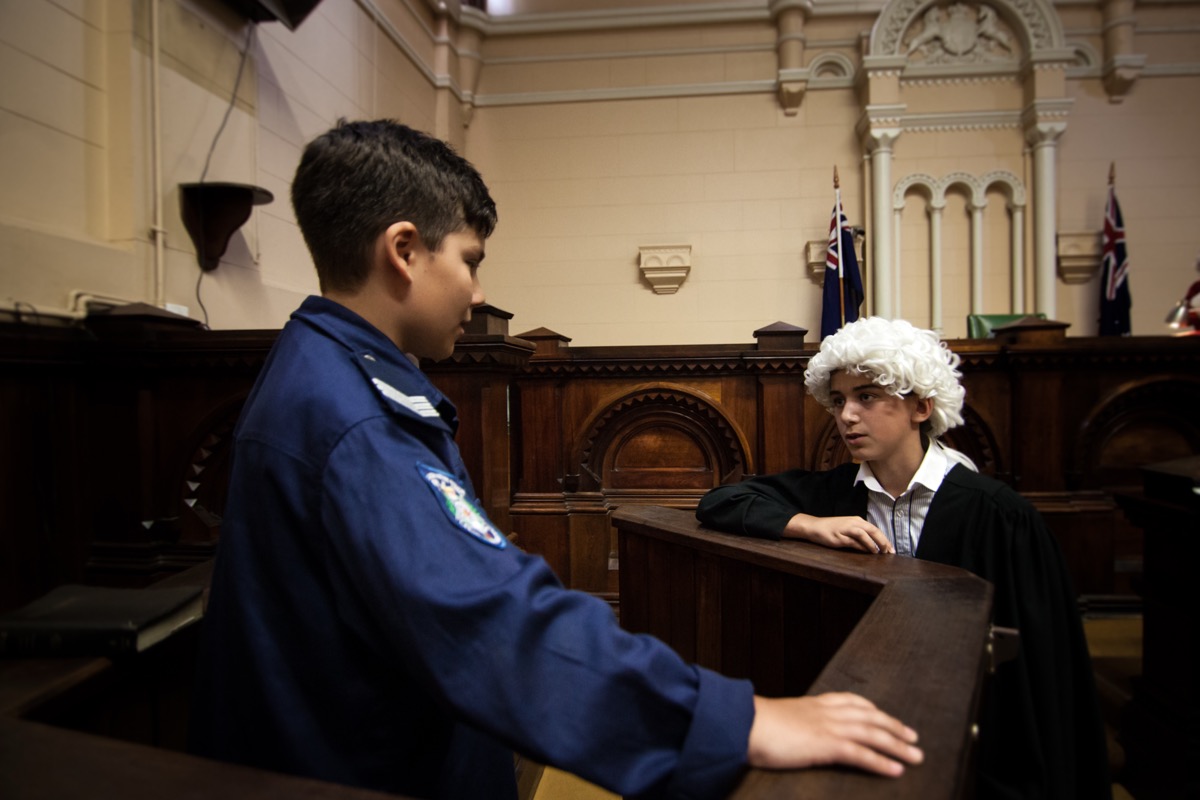
Culpable Driving
During the Culpable Driving Court Room Drama, students will take on various roles such as magistrate, defence, prosecution and witnesses, using scripts, costumes and props to reenact a real case.