
People, Place, and Space: Archaeology and Deep Time
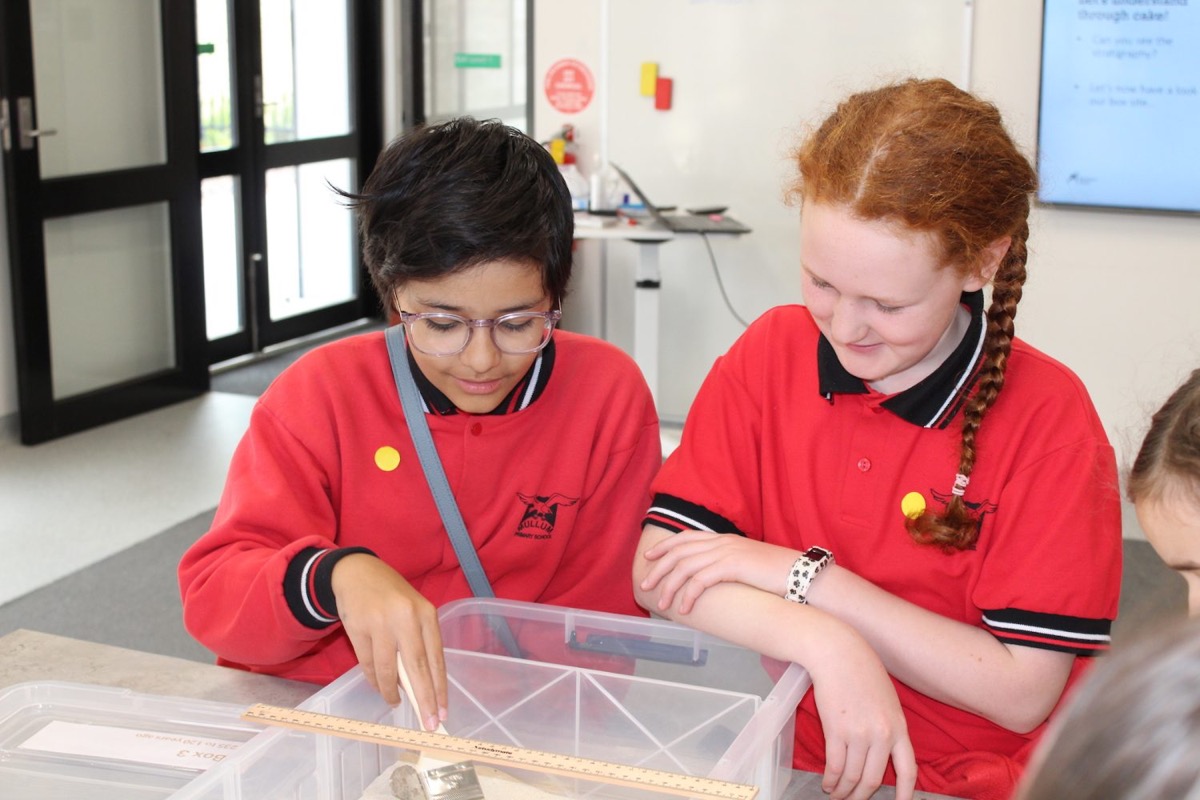
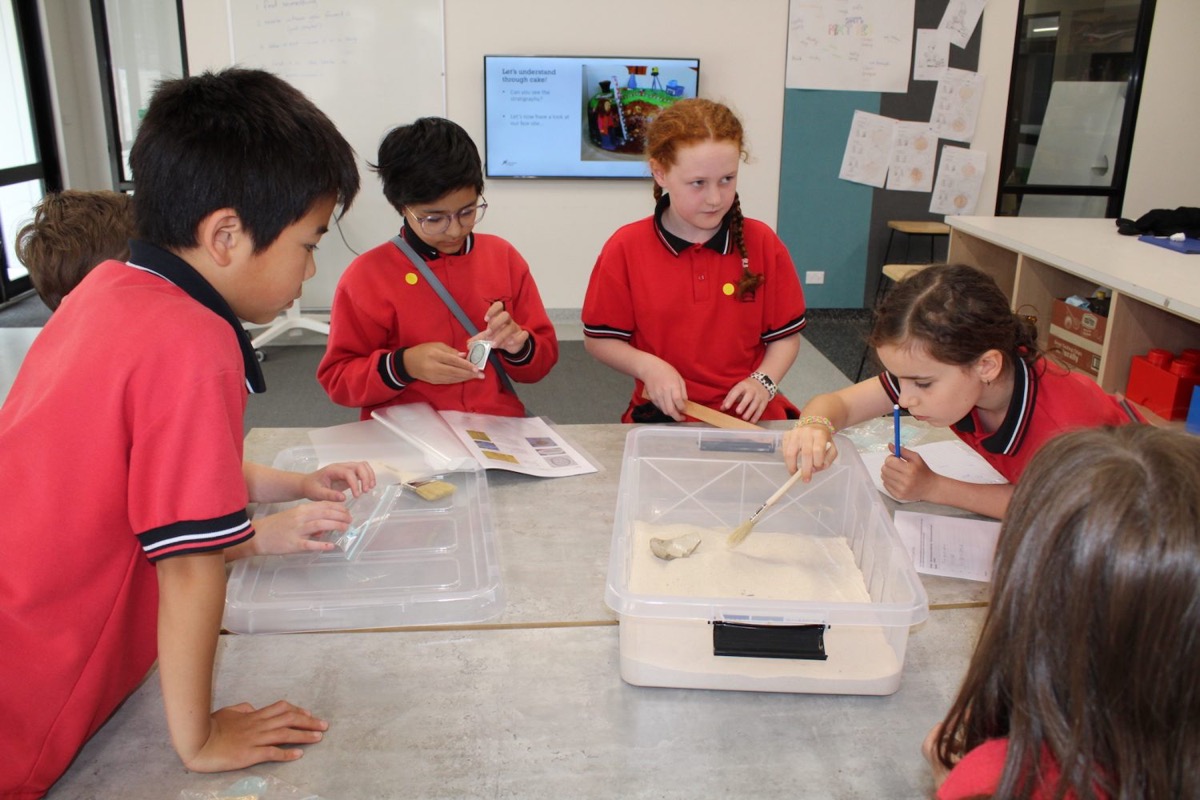
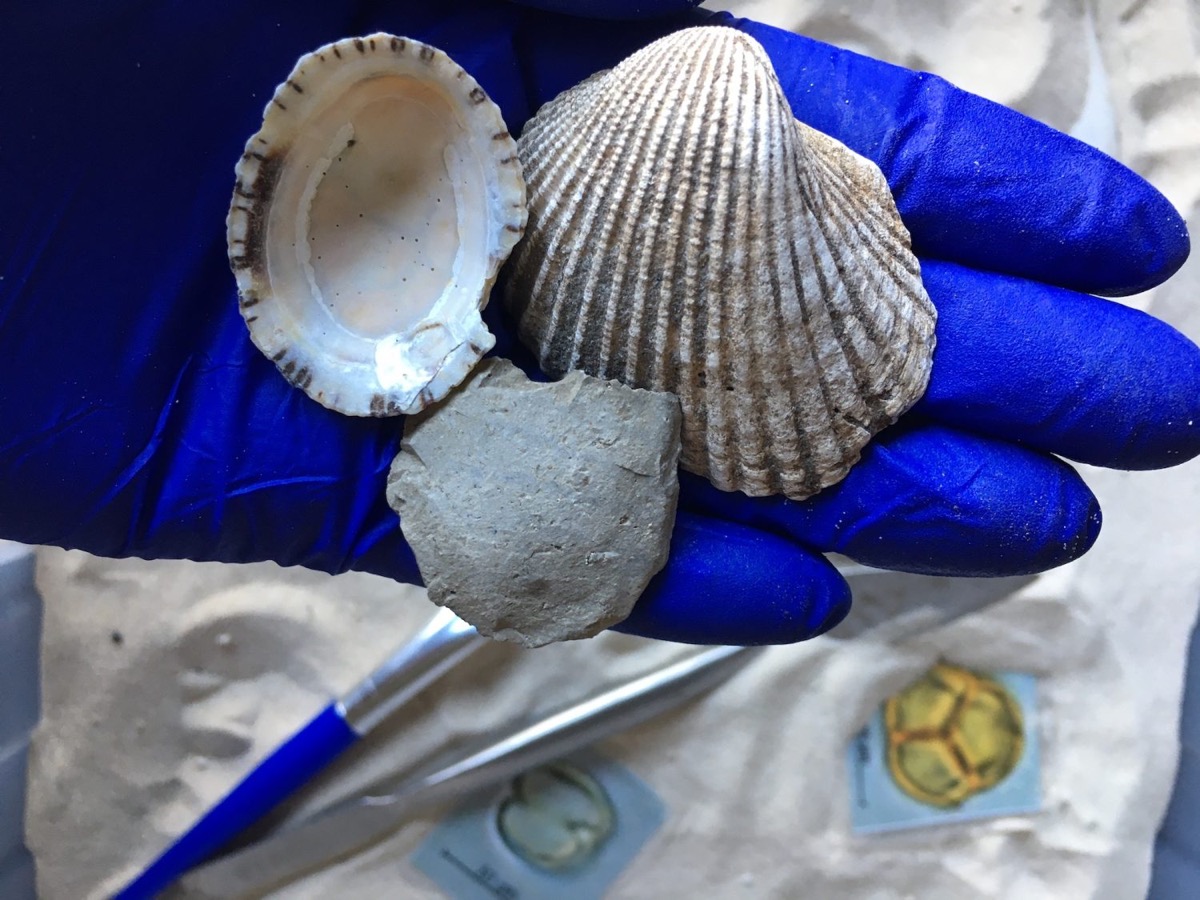
Join the National Trust’s team of archaeologists to uncover hidden stories of the past as revealed through archaeological artefacts. Turn your classroom into an archaeology lab with our curriculum aligned incursion program.
Developed in collaboration with archaeologist Dr Georgia Stannard at La Trobe University, each program is curriculum-aligned. Choose from incursion or excursion options, across primary to year 10. All programs are supported by a comprehensive resource package for teachers, including lesson notes, comprehensive glossary and activity sheets.
About the Program
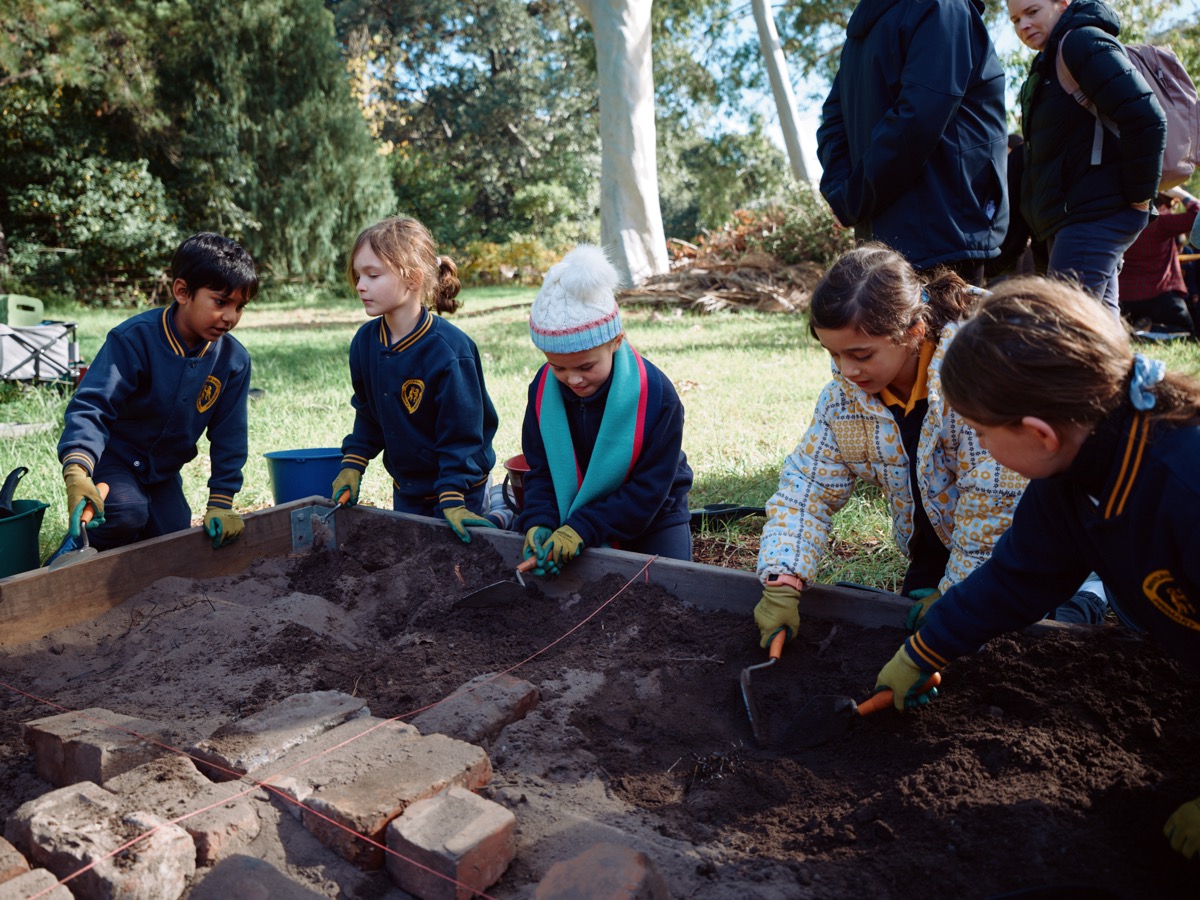
Australia’s Historical record accounts for only 0.4% of our national story—how have archaeologists uncovered the 65,000 years of human history that form our Deep Time past? This unique incursion experience introduces younger students to the concept of Deep Time, connecting these insights to our understanding of Australia’s archaeological record. Through their own excavation of a simulated site, students will gain firsthand experience of how archaeologists interpret artefacts and environmental clues to reconstruct past landscapes and peoples.
Curriculum Links
| Year Level | Subject | Strand | Sub-strand | Content descriptions | Students will… |
|---|---|---|---|---|---|
| Levels 3 and 4 | History | Historical Concepts and Skills | Using Historical Sources | Identify the features and content of historical sources (VC2HH4S03). | Use critical thinking to examine artefacts from the simulated excavation and infer what they reveal about life during their stratigraphic unit. |
| Continuity and Change | Identify and describe continuity and change (VC2HH4S06). | Compare four stratigraphic units from the simulated site to identify and describe continuity and change, investigating similarities, differences, and shifts in environmental and material culture across the chronology. | |||
| Causes and consequences | Describe the causes and consequences of change (VC2HH4S07). | Identify and interpret European influences upon their simulated site, such as the introduction of manufactured materials, and describe how these changes are represented in Australia’s archaeological record. | |||
| Science | Science Inquiry | Planning and Conducting | Scientific investigations to answer questions or test predictions can be planned and conducted using provided scaffolds, including identifying the attributes of fair tests, and considering the safe use of materials and equipment (VC2S4I02). | Use archaeological tools and processes in a safe and scientific manner, planning and conducting investigations while ensuring the safe use of materials and equipment. | |
| Communicating | Observations, findings and ideas can be communicated for an identified purpose and audience by using scientific vocabulary and digital tools as appropriate (VC2S4I06). | Discuss the excavation findings as a class, using scientific vocabulary and the research manual to analyse the artefacts in detail for an identified purpose and audience. | |||
| Levels 5 and 6 | History | Historical Knowledge and Understanding | Australia (1800-1900) | The impacts of the development of colonies on Aboriginal and Torres Strait Islander Peoples, local-born colonists and migrants, and on the environment (VC2HH6K02). | Understand the impacts of colonisation on the local environment through the archaeological record. |
| Historical Concepts and Skills | Using Historical Sources | Describe the value of sources for use as evidence to identify historical significance and continuity and change (VC2HH6S04). | Develop an understanding of the different types of archaeological sources and how they can be used as evidence to understand historical significance and measure continuity and change. | ||
| Continuity and Change | Describe patterns of continuity and change (VC2HH6S07). | Compare the archaeological record across various time periods in Australia’s past, from the Late Pleistocene to the modern day. | |||
| Science | Science Inquiry | Questioning and Predicting | Investigable questions and reasoned predictions can be used in guiding investigations to identify patterns and test relationships (VC2S6I01). | Students are required to answer three key questions about their stratigraphic unit, investigating various aspects of the people who lived during that time and the environment, to identify patterns across the archaeological record of their site. | |
| Communicating | Scientific ideas, findings, patterns, trends and relationships can be communicated for a specific purpose and audience, using various presentation formats, scientific vocabulary and digital tools as appropriate (VC2S6I06). | Discuss their excavation findings as a class, using archaeological terminologies to communicate scientific findings, ideas, and patterns. |
Program Details
Monday to Friday during school terms
1 hour 15 minutes for Primary
15-30 students per session
Maximum 3 sessions per day.
$12 per student
Please complete the Expression of Interest form to see if your school is eligible for government-funded archaeology programs.
To book, complete the Online Booking Form. For enquiries, email [email protected] or phone (03) 9656 9889.
Free and Subsidised Programs
What is Deep time?
Related Programs
-
3D Interactive Court Room
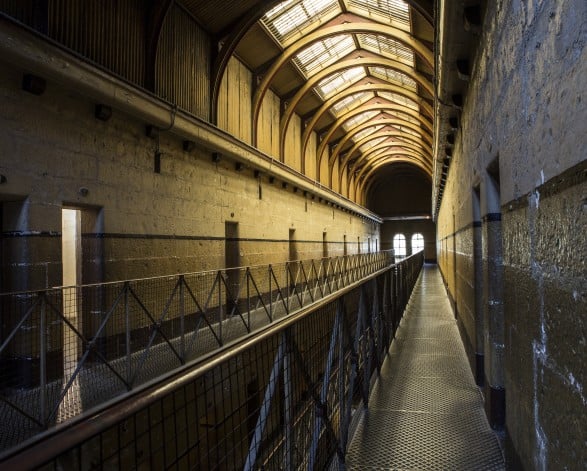
Try visiting the interactive Court Room to get an idea of how a court works.
-
Crime and Punishment
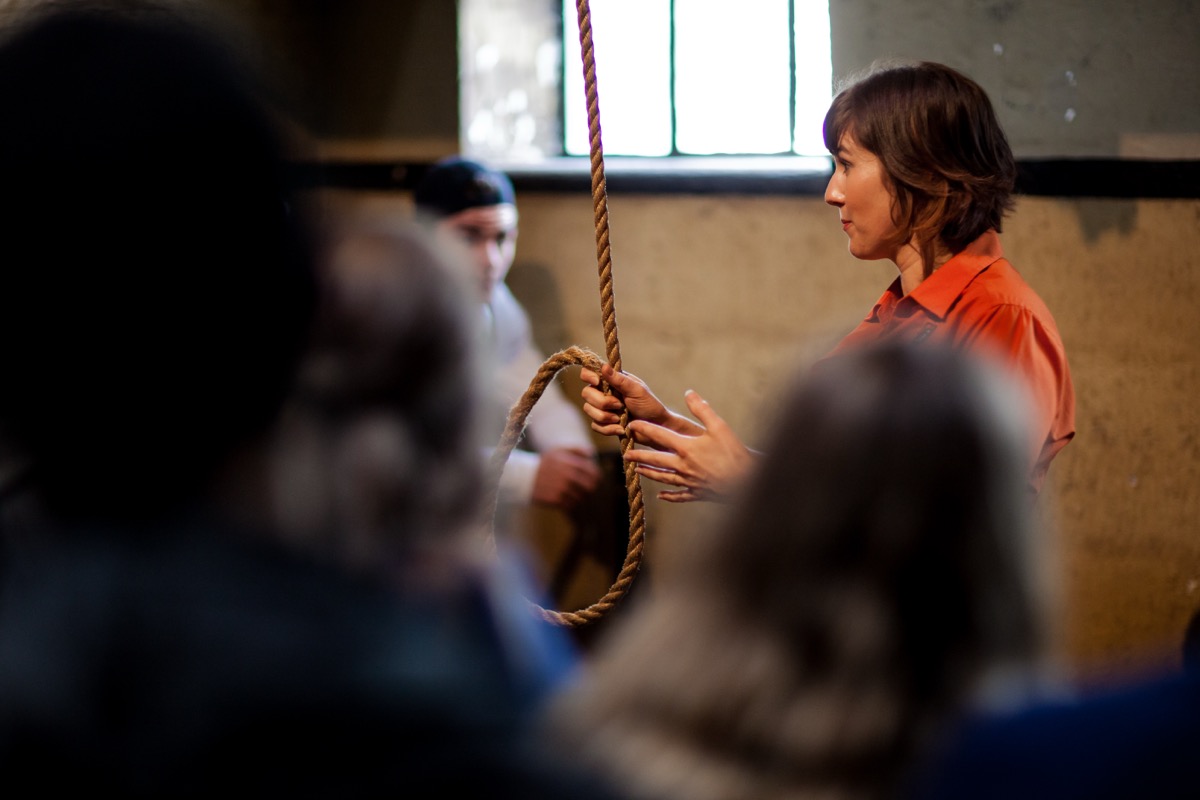
Uncover past punishments in this tour of the Old Melbourne Gaol. Discuss corporal punishments such as the cane and the infamous cat-o-nine-tails; solitary confinement, and capital punishment.
-
Crime and Punishment
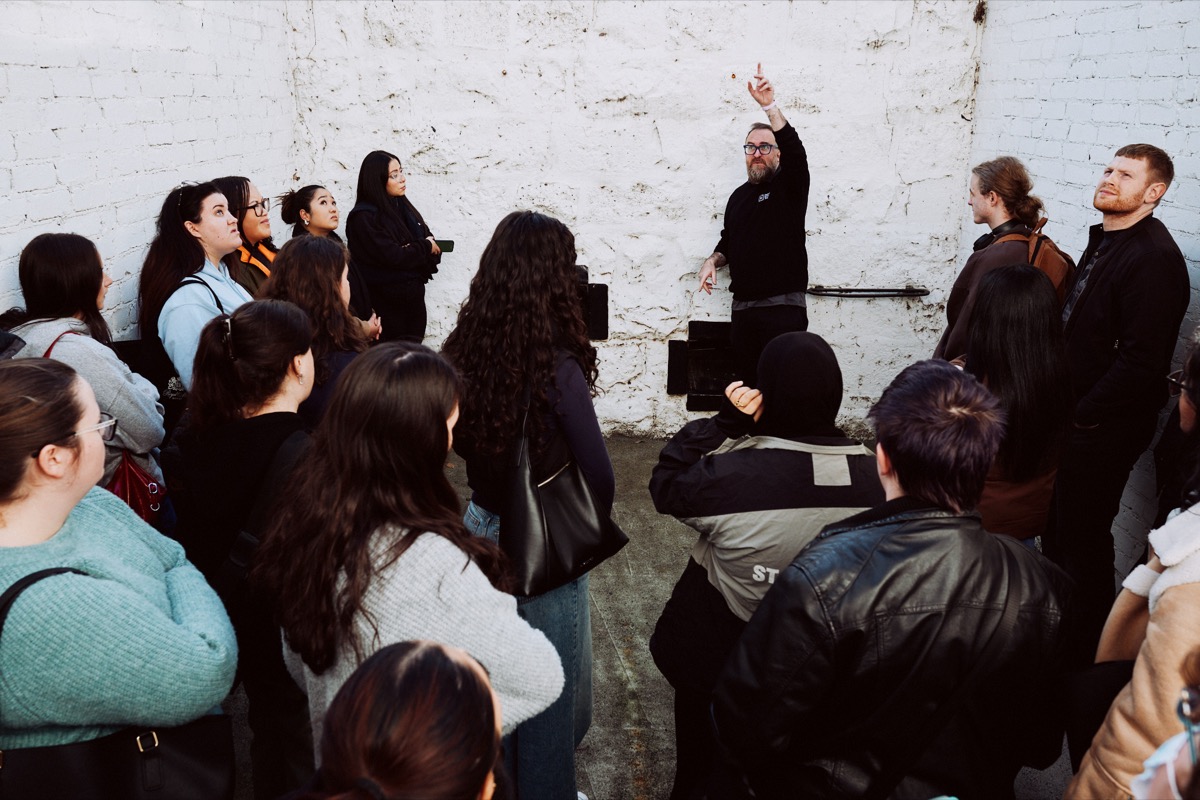
Join your guide for a tour of the notorious H Division to learn about the “prison within a prison” which housed the most dangerous inmates at Pentridge from the 1950s through to the 1980s.