
Crime and Punishment at Pentridge Prison Tours
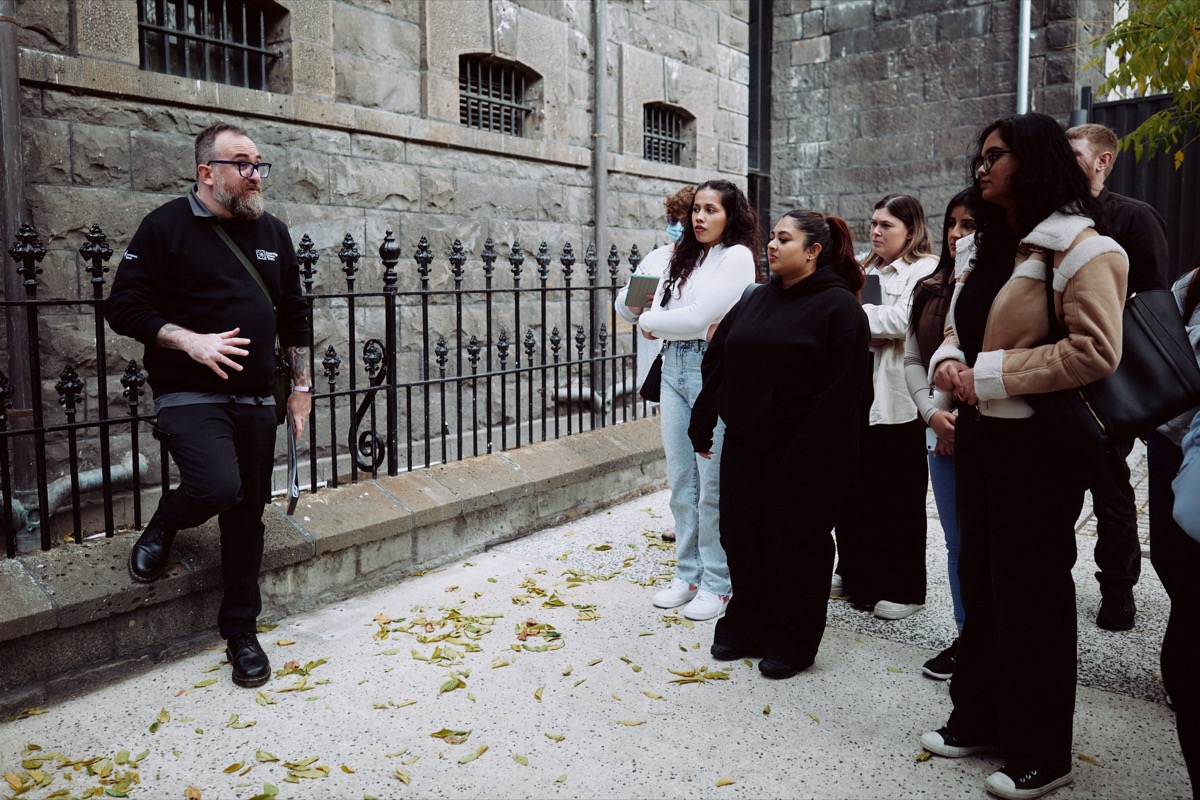
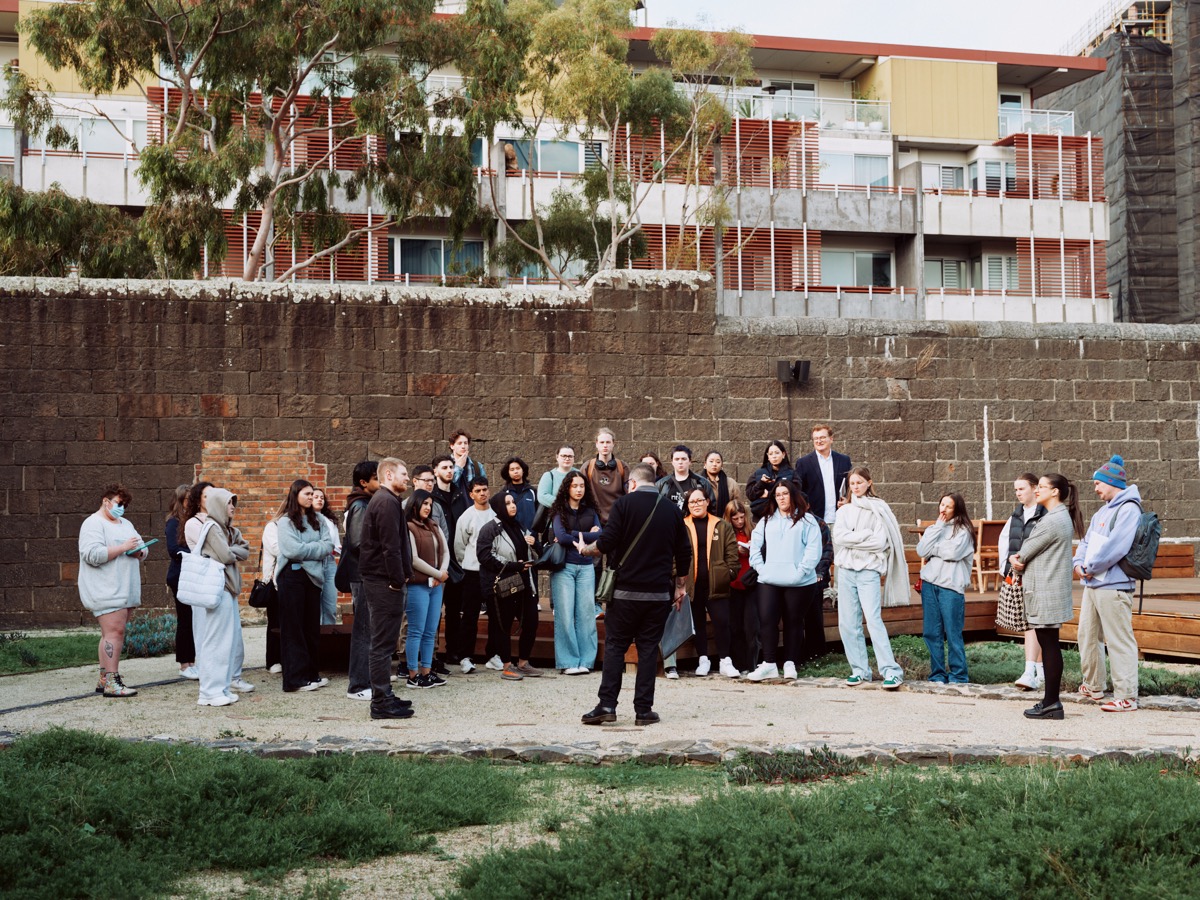


Established in 1851 and closing in 1997, Pentridge Prison is a heritage listed former state prison that has undergone adaptive reuse over the last decade.
Our education programs utilise the latest in immersive technologies, including soundscapes and audio-visual displays. Students will hear recorded interviews with past inmates, guards and lawyers and can observe artefacts dating from the early 1800s to late 1900s.
The Education programs at Pentridge Prison provide a unique opportunity to move beyond the theoretical approach to learning and gives the students the chance to experience the setting and implications of social, economic and environmental change borne from our evolving legal system.
About the Program
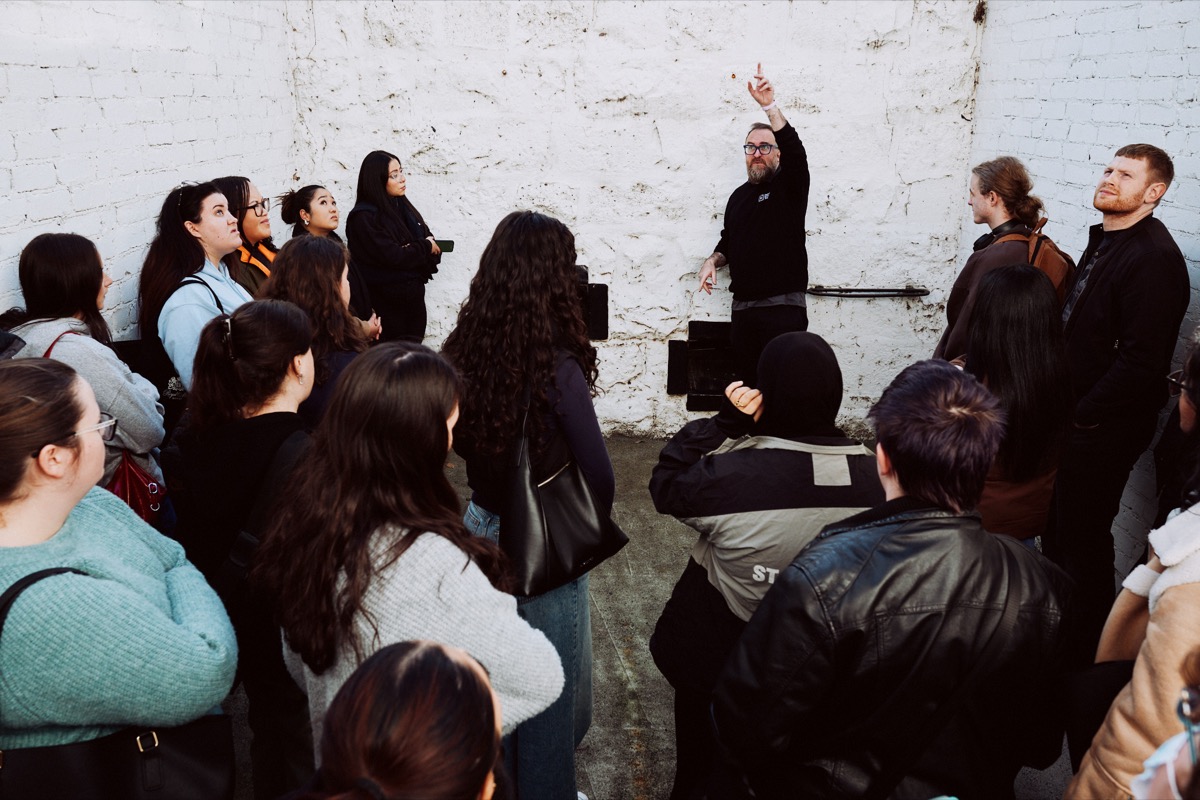
Join your guide for a tour of the notorious H Division to learn about the “prison within a prison” which housed the most dangerous inmates at Pentridge from the 1950s through to the 1980s. Hear of the crimes that got inmates sent to H Division as well as the rules and harsh working conditions inside the cell block. Explore case studies such as that of William O’Meally, the last man to receive the cat-o-nine-tails as a punishment.
Curriculum Links
| Unit | Area of Study | Key Knowledge and Skills | Students will... | |
|---|---|---|---|---|
| Legal Studies | Unit 1 | AOS1: Legal Foundations | The role of individuals, laws and the legal system in achieving social cohesion and protecting the rights of individuals | Consider if Pentridge worked as a way to deter people from a life of crime. |
| AOS2: Proving guilt | Types of crime such as crimes against the person and crimes against property | Study the cases of William O’Meally and John Killick as examples of crimes committed within the walls of Pentridge. Killick’s crime involved both crime against the person, and property. | ||
| AOS3: Sanctions | Types of sanctions such as fines, community correction orders and imprisonment | Learn about the many different sanctions within the walls of Pentridge including corporal punishment, solitary confinement, hard labour and capital punishment. | ||
| The purposes of sanctions: punishment, deterrence, denunciation, protection and rehabilitation | Understand the rationale behind Pentridge; deterrence and rehabilitation and assess whether it achieved these aims. | |||
| Unit 2 | AOS2: Remedies | The principles of justice: fairness, equality and access | Ask the questions – was Pentridge a fair place? Did it achieve justice? | |
| Unit 3 | AOS1: The Victorian Criminal Justice System | Factors considered in sentencing, including aggravating factors, mitigating factors, guilty pleas and victim impact statements | Learn that historically, legal proceedings were not as fair as they are today, and this resulted in a lot of people being more likely to end up at Pentridge due to their gender, race, sexual orientation, political beliefs, religious beliefs and social status. | |
| Unit 4 | AOS2: The People and Reform | The ability and means by which individuals can influence law reform including through petitions, demonstrations and the use of the courts | Learn about the many protests that took place inside the walls of Pentridge for rights, and outside the walls for clemency in cases such as Jean Lee and Ronald Ryan (the last woman and man to be executed in Australia, respectively). | |
| Sociology | Unit 2 | AOS1: Deviance | Deviance as a relative concept and the relationship between norms (social codes) and deviance | Discuss society in Melbourne in the 1800s, learning about crimes of desperation such as vagrancy which could earn you 12 months in prison. Learning about the 1890s economic depression in Melbourne and how that affected the prison population. |
| A range of factors that lead people to commit crimes, including poverty, addiction, abuse, and rebellion. | Learn about political prisoners at Pentridge such as Frank Penhalluriack, the La Trobe Three and draft resisters. Students will discuss the types of people likely to be imprisoned, paying particular attention to the poor and mistreated, including First Nations people. | |||
| The impact of moral panic on individuals and groups considered deviant. | Learn about the many women who were imprisoned at Pentridge and their supposed deviance from how women 'should' behave. | |||
| AOS2: Crime and Punishment | Australian data related to crime rates, including age, gender, socioeconomic status and ethnicity | Discuss the demographics represented within Pentridge in a particular timeperiod, noting any outliers in terms of numbers. | ||
| The sociological concept of punishment, including the rationale and aims of punishment: retribution, deterrence, rehabilitation and societal protection | Learn about the many different punishments within the walls of Pentridge including corporal punishment, solitary confinement, hard labour and capital punishment. |
Program Details
Monday to Friday during school terms
1.5 hours
15-30 students per session
Teacher/carer:student ratio: 1:12
$12 per student
Click here to access the Task Risk Assessment document.
Access to H Division can be accessible. The rock-breaking yards can be accessed through a gate. Please advise the bookings team if you need step-free access.
To book, complete the Online Booking Form. For enquiries, email [email protected] or phone (03) 9656 9889.
Pentridge Prison Tours
1 Champ Street
Coburg VIC 3058
I highly recommend taking your students to Pentridge. The stories are gripping and to listen to them in such a historical place was a real treat.
Related Programs
-
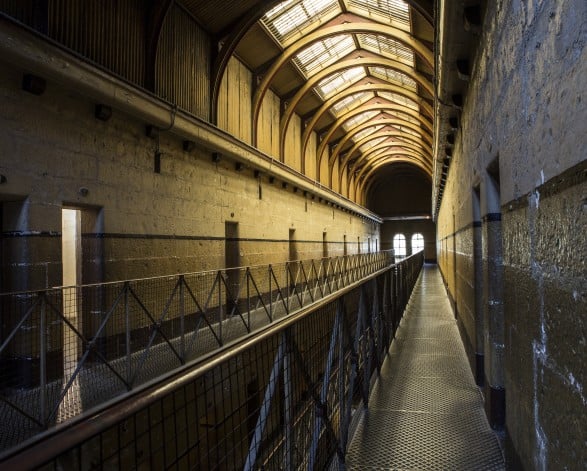
3D Interactive Court Room
Try visiting the interactive Court Room to get an idea of how a court works.
-
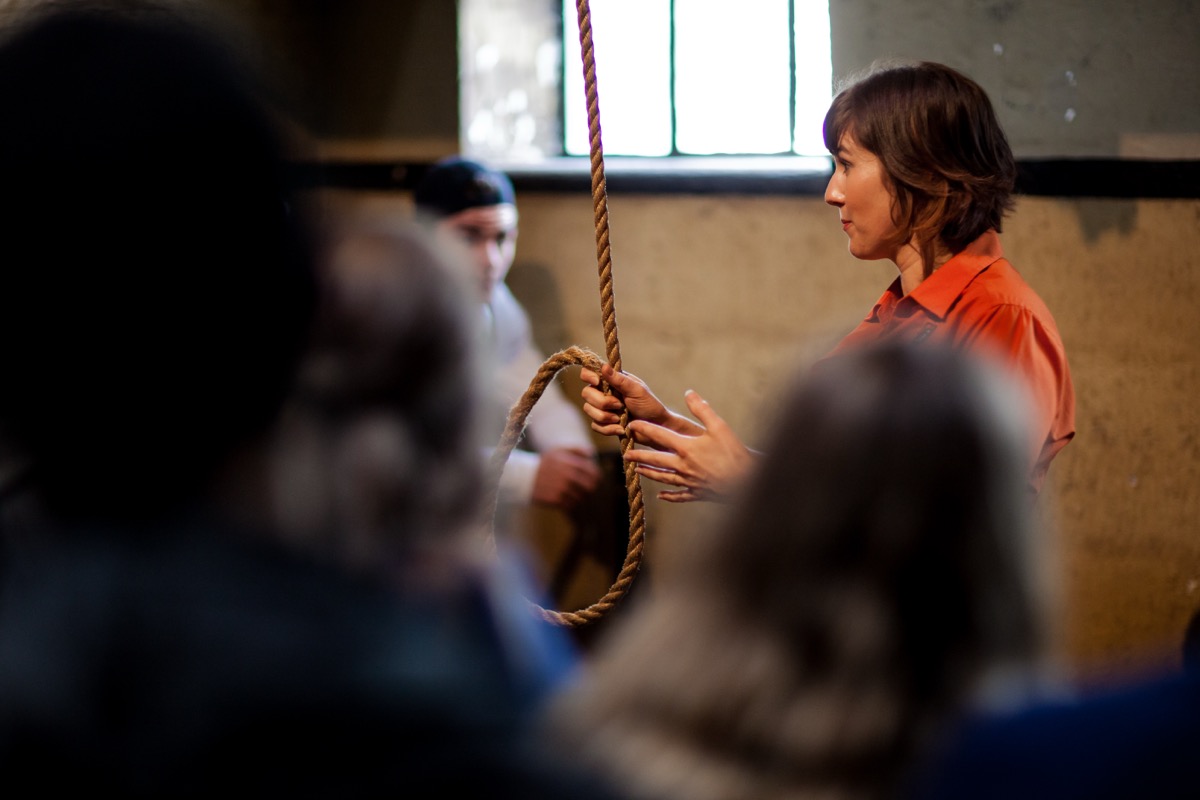
Crime and Punishment
Uncover past punishments in this tour of the Old Melbourne Gaol. Discuss corporal punishments such as the cane and the infamous cat-o-nine-tails; solitary confinement, and capital punishment.
-
Crime and Punishment
Join your guide for a tour of the notorious H Division to learn about the “prison within a prison” which housed the most dangerous inmates at Pentridge from the 1950s through to the 1980s.