
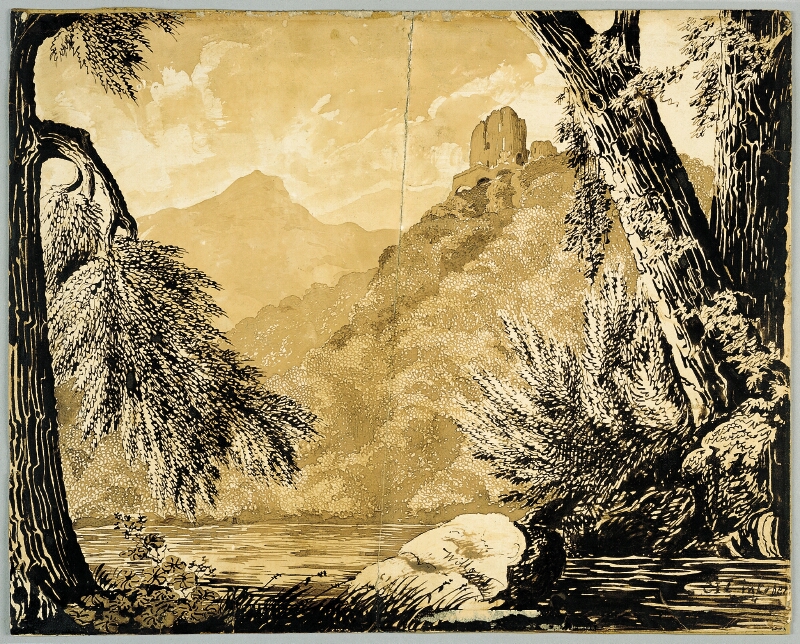
La Trobe Sketches & Watercolours
The National Trust of Australia (Victoria) Collection of Sketches and Watercolours by Charles Joseph La Trobe was compiled between the years 1827 and 1854. La Trobe, the artist, was an inveterate traveller for most of his life. During the years 1824 and 1825, he worked as a tutor in Neuchâtel. He spent much of his free time exploring various parts of Switzerland, and went further afield in 1829 on a personalised ‘grand tour’ to the Tyrol and Italy. He wrote of these adventures in his first two books The Alpenstock (1829), and The Pedestrian: A Summer’s Ramble in the Tyrol and Some of the Adjacent Provinces (1830). La Trobe also explored much of the New World on an extended tour from 1832 to 1834 in North America and Mexico with his former student. These journeys were described in his later works The Rambler in North America (1832-1833), and The Rambler in Mexico (1834).
To complement his writing, La Trobe sketched the views he saw wherever he went. The works in this collection are unique in that they are the only known examples of art work undertaken by La Trobe in Switzerland, Italy, North America, Mexico and Port Phillip.
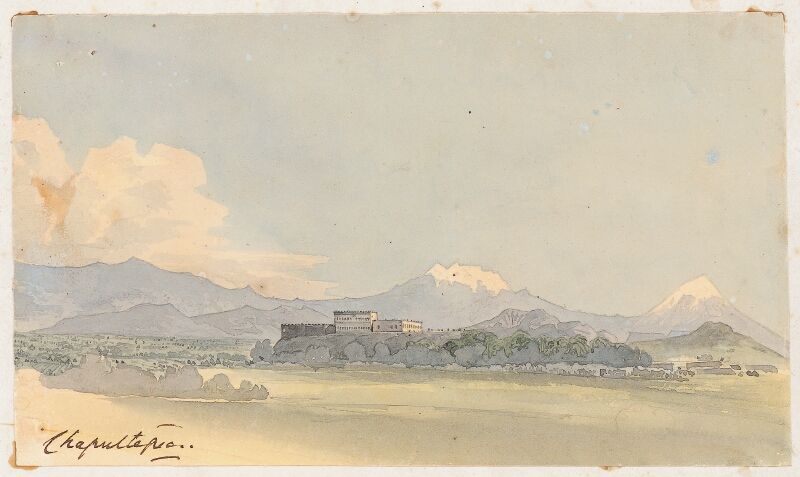
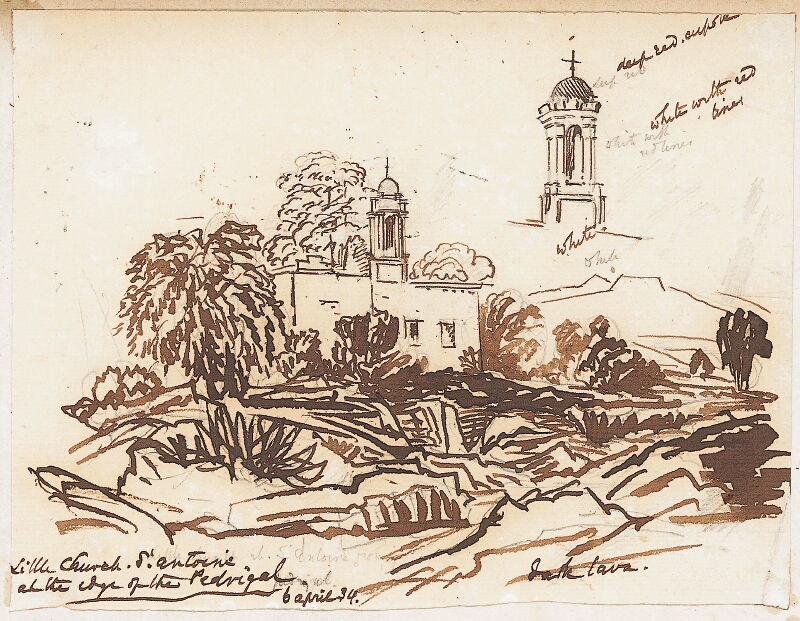
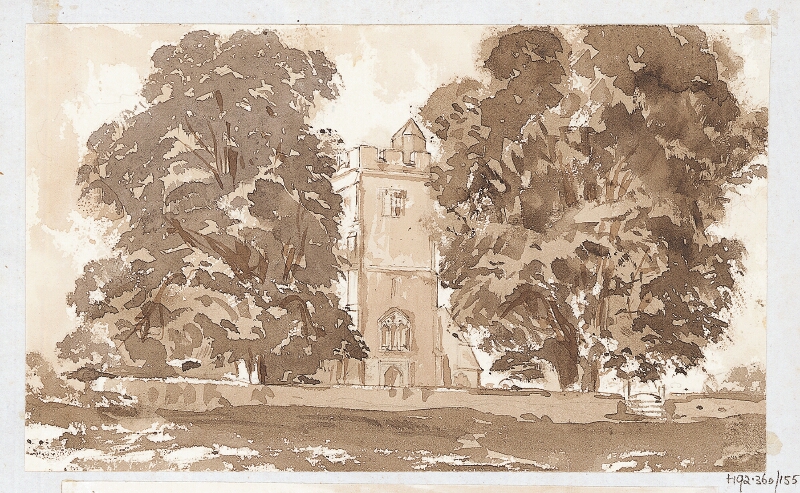
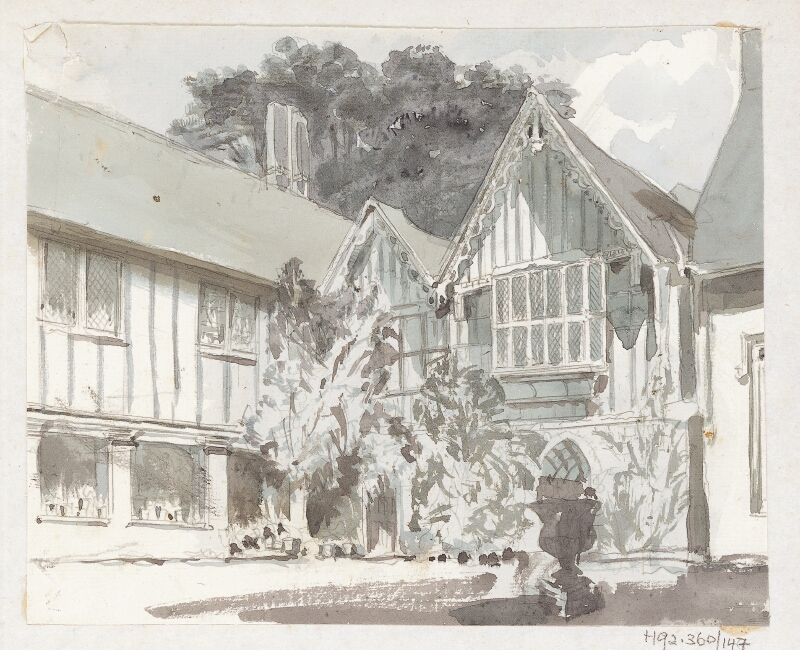
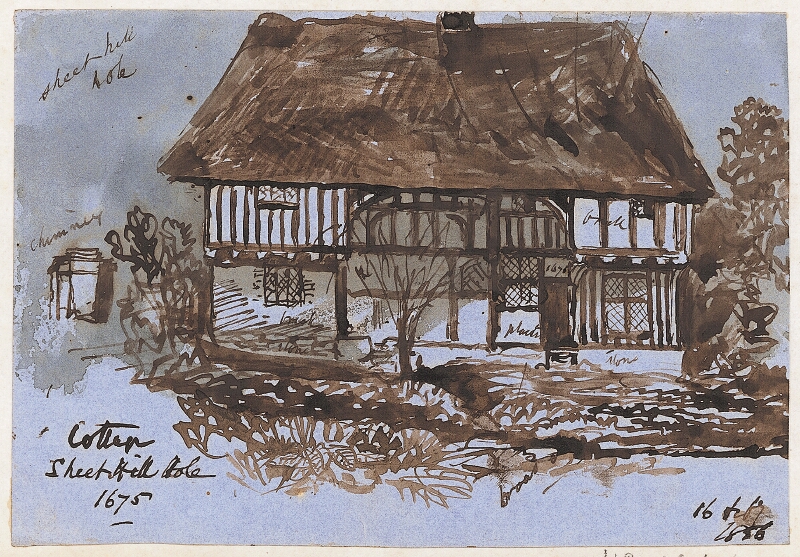
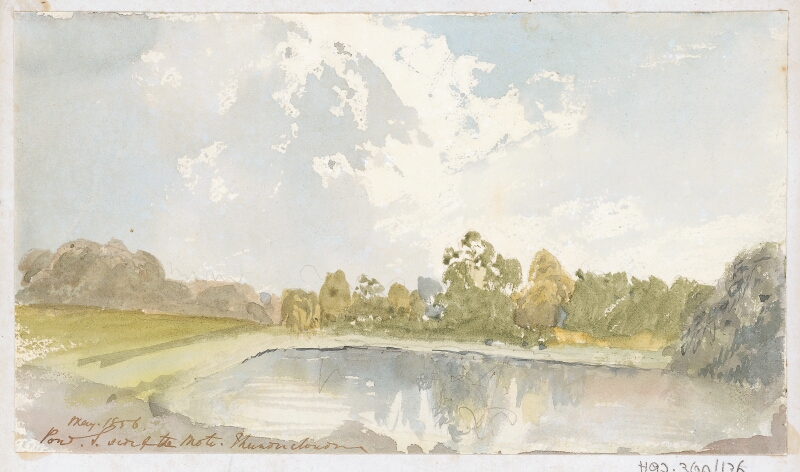
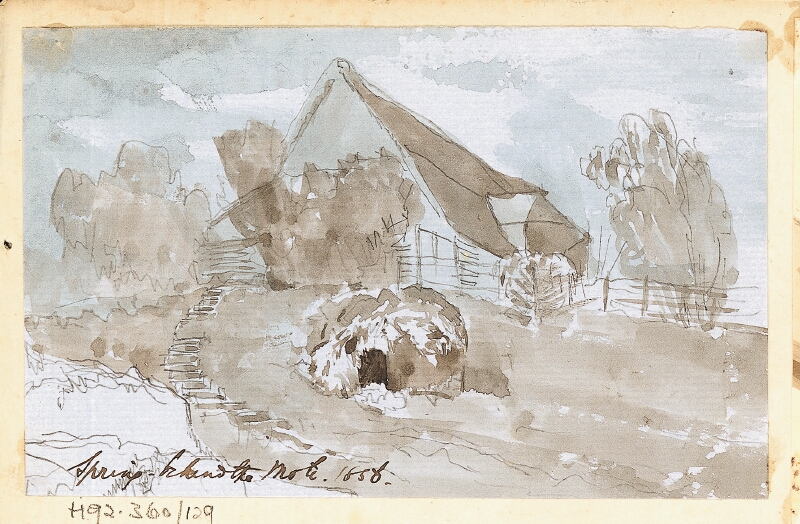
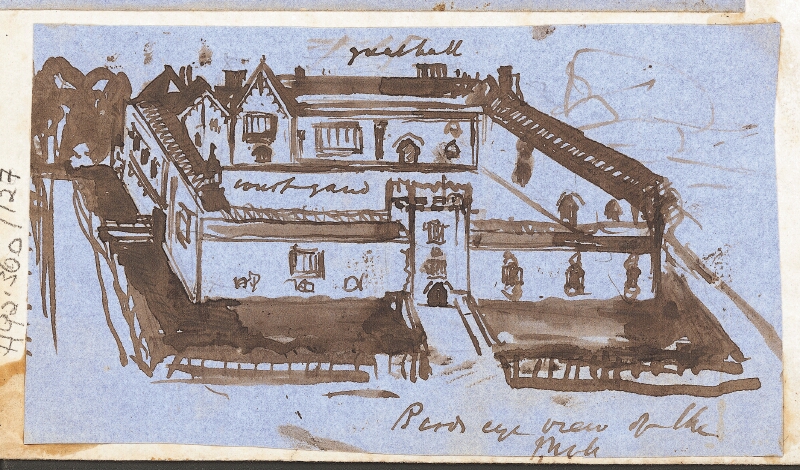

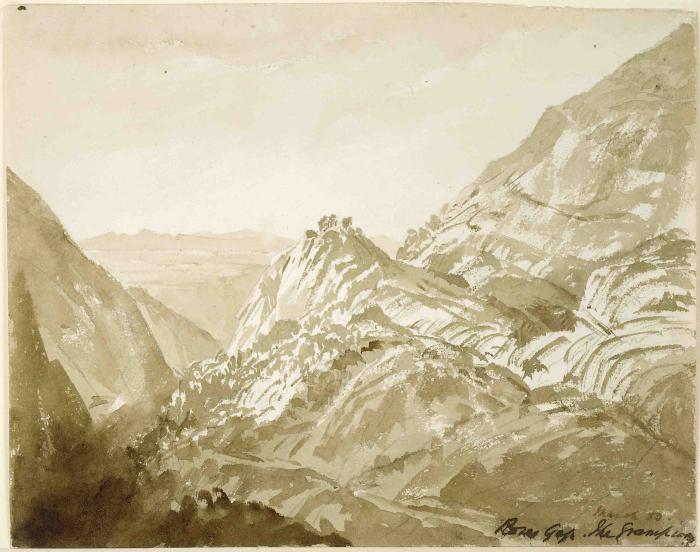
They document in a visual way the novel and exciting places he visited. His Swiss sketches of sublime alpine landscapes, and the historic buildings he depicted in architectural detail in Switzerland and in Italy, depict stunning and historic sites viewed on his extensive travels in Europe. He recorded the scenery he encountered for his own pleasure and as examples of the wonderment of creation. In North America and Mexico, places little known to English travellers at the at time, La Trobe again observed at first hand and captured in his well-composed sketches and watercolours the spectacular mountain views and striking features of the extraordinary landscapes and buildings he encountered.
Even more importantly, La Trobe’s Port Phillip Sketches are significant in that they provide rare insight into the historic appearance of the landscape of Victoria, at a time only four years after the advent of Europeans in this part of the world. While some of these images are simple pencil sketches, most of the Port Phillip pictures are more detailed works which accurately capture known features of the Victorian landscape, evoking the beauty of the surroundings in a superbly accomplished fashion. When his Tasmanian sketches, and his 1851 well-drafted architectural pen and wash sketch of Government House in Sydney (all in the State Library collection) are considered in tandem with the National Trust’s Port Phillip Sketches, the national importance of these works as documents of our past is clear.
Source: Charles Joseph La Trobe Sketches and Watercolours Collection. Statement of Significance 15 September 2013
Dr Dianne Reilly AM
