
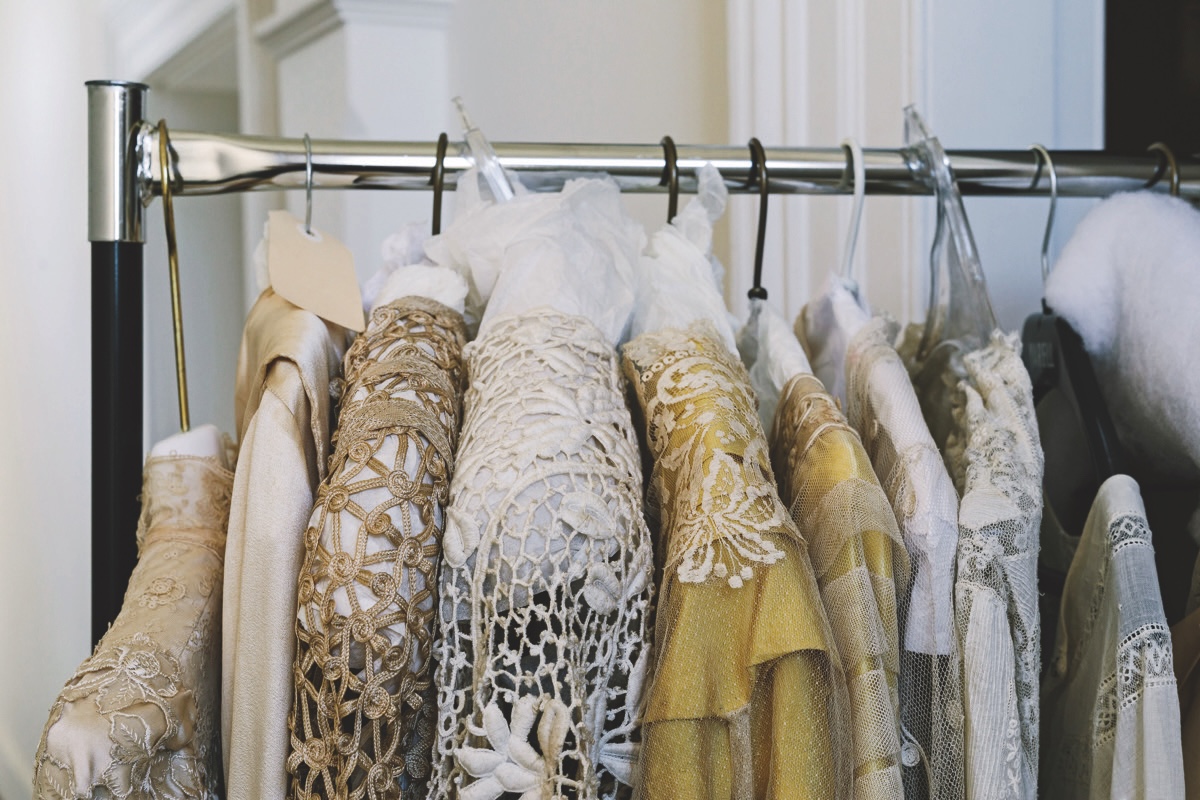
Fashion and Dress Collection
History of the Collection
The National Trust (Victoria) began collecting costume in the early 1960s, at a time when fashion was rarely recognised as heritage. In 1961, the Trust’s very first Moveable Acquisition was a group of 1850s day dresses, establishing fashion and dress as a foundational collecting area for the organisation.
Every item in the collection has been acquired through donation or bequest. While no formal collecting policy existed in the early years, this community-led approach resulted in a rich and cohesive body of material reflecting what Melbourne families owned, wore and valued. Today, this organic growth is recognised as one of the collection’s greatest strengths.
By valuing everyday garments alongside grand ball gowns, the National Trust took a pioneering role nationally in preserving fashion as cultural heritage.
What the Collection Contains
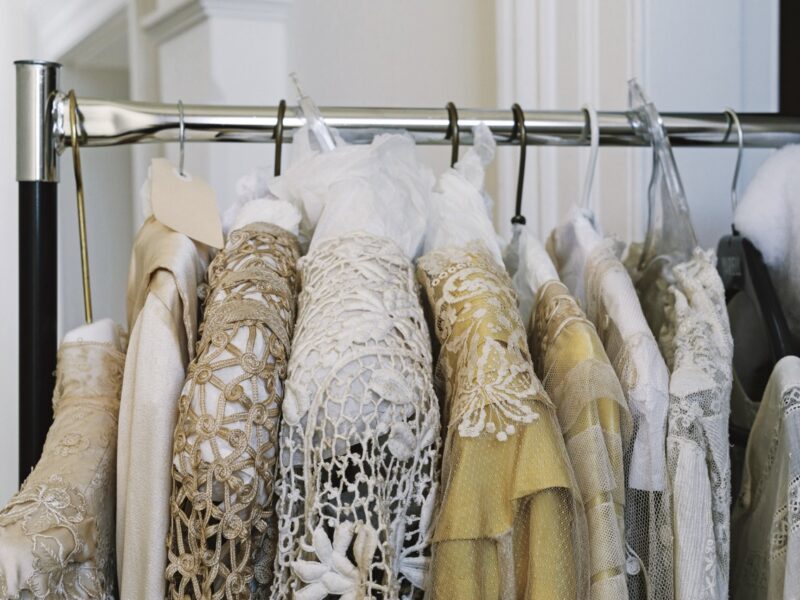
The Fashion and Dress Collection is distinguished by its strong Victorian provenance and focus on locally made and worn clothing. It includes:
- Women’s, men’s and children’s clothing
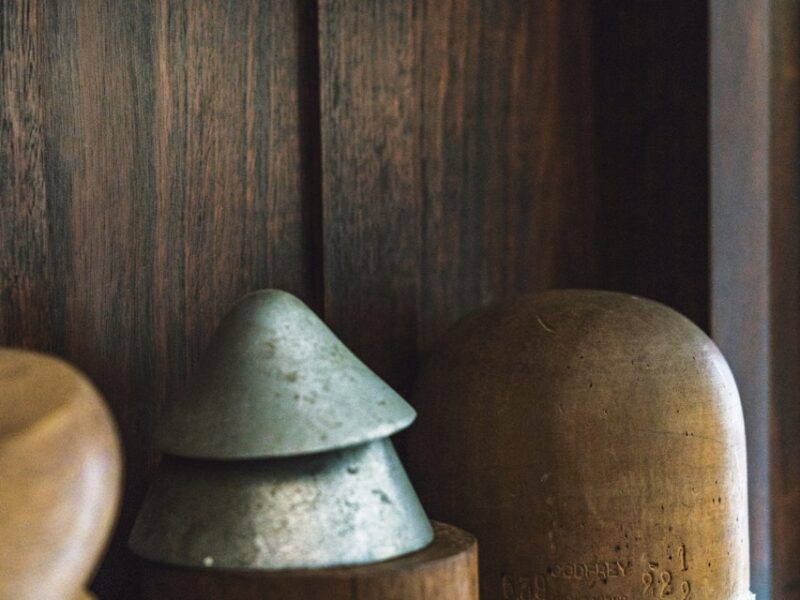
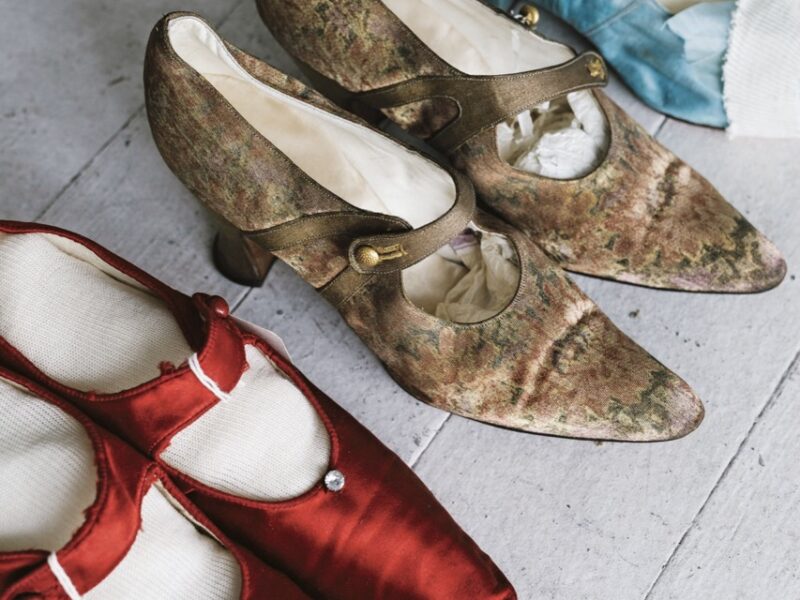
- Shoes, hats, parasols, gloves and jewellery
- Millinery, dance shoes and cosmetics
- Dressmaking tools and lace-making equipment
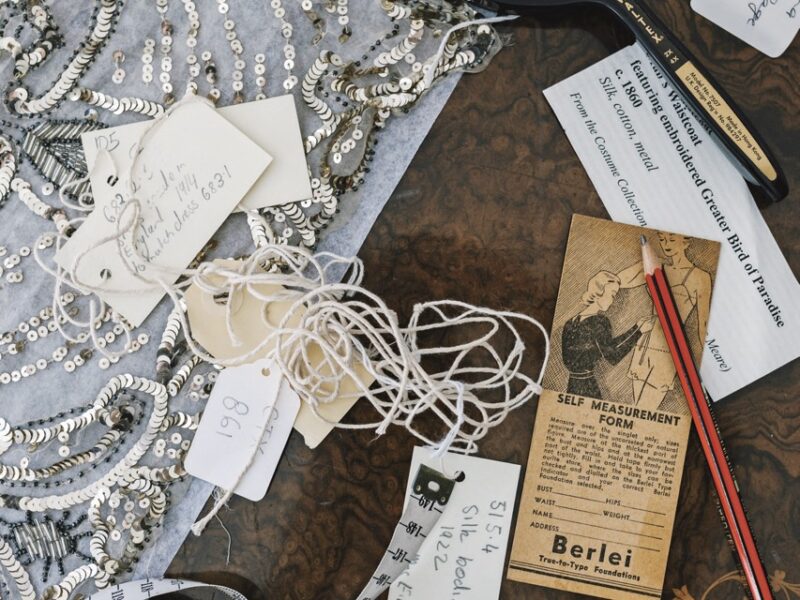
- Paper patterns, manuals, packaging and advertising ephemera
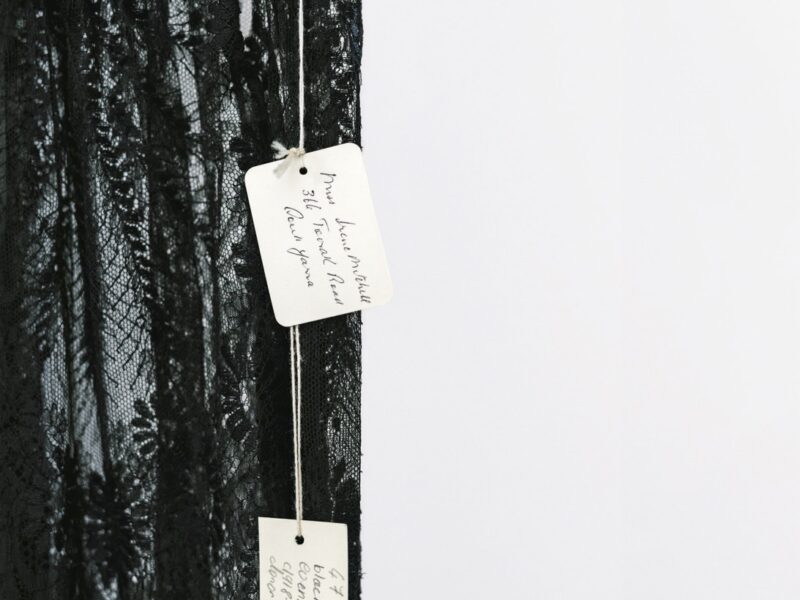
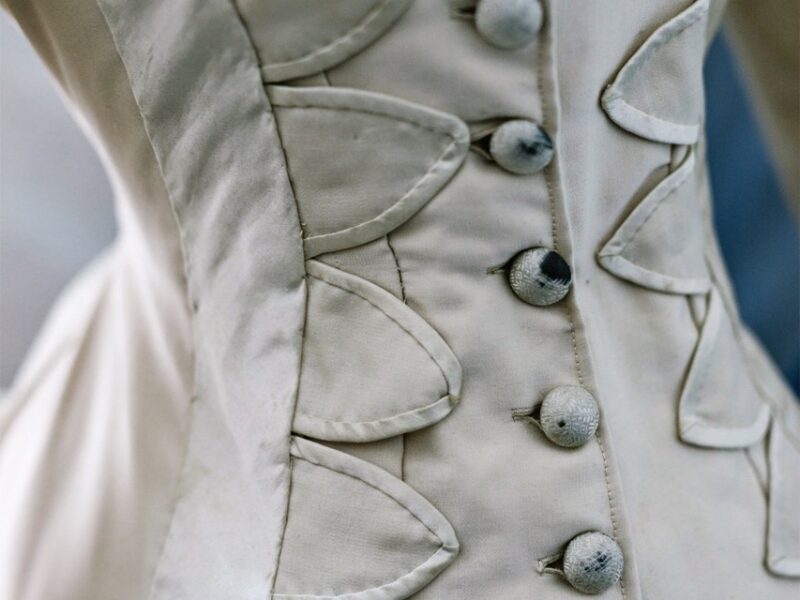
The collection spans the gold-rush era, the boom of the 1880s and the design innovations of the early twentieth century, with a growing representation of mid-twentieth-century dress. Many garments retain maker’s labels, documenting the rise of Melbourne’s fashion industry, department stores and local dressmakers.
Together, these objects offer rare insight into how clothing was designed, made, sold and worn in Victoria.
Preserving and Sharing the Collection
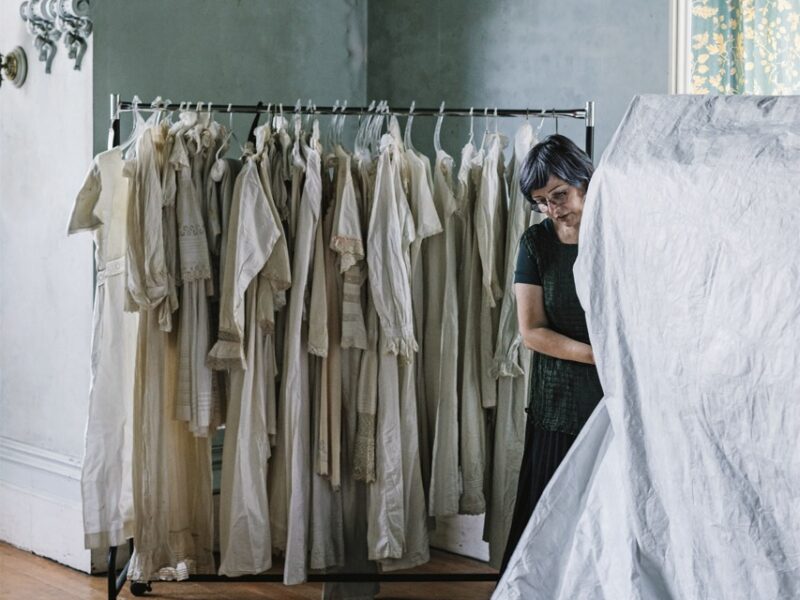
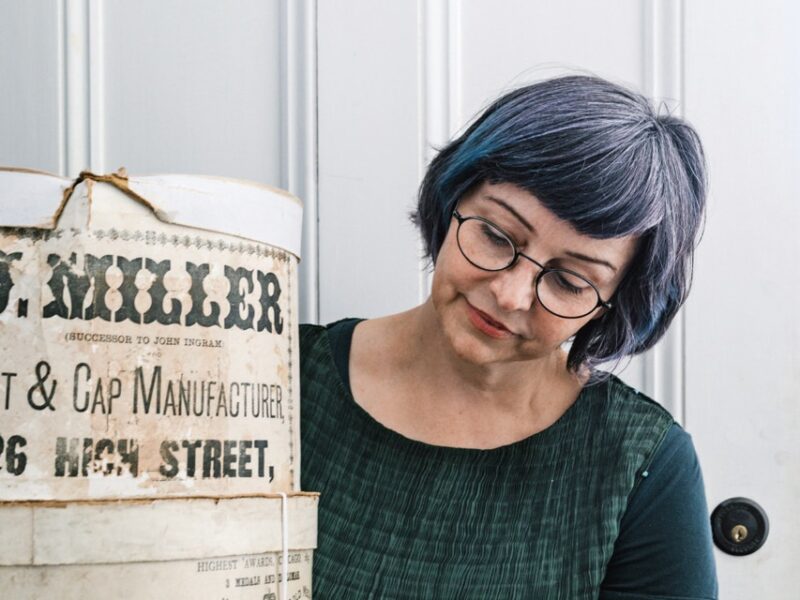
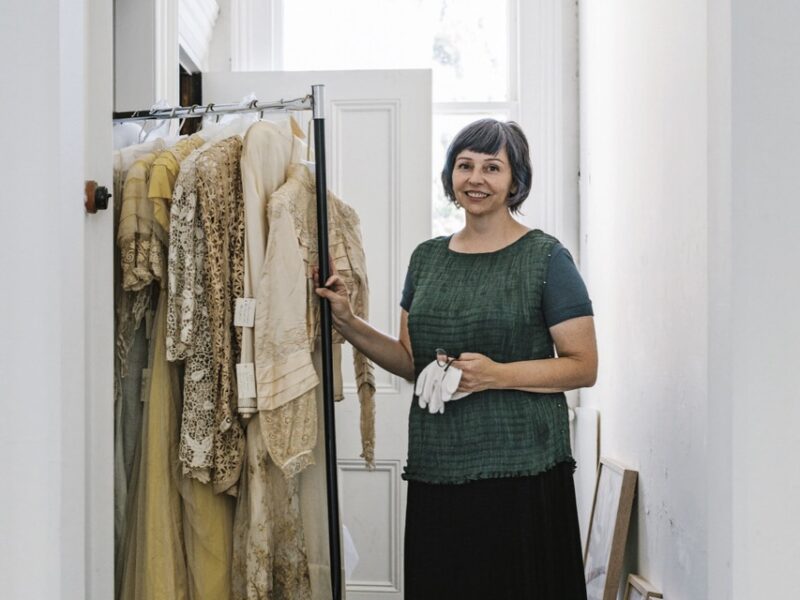
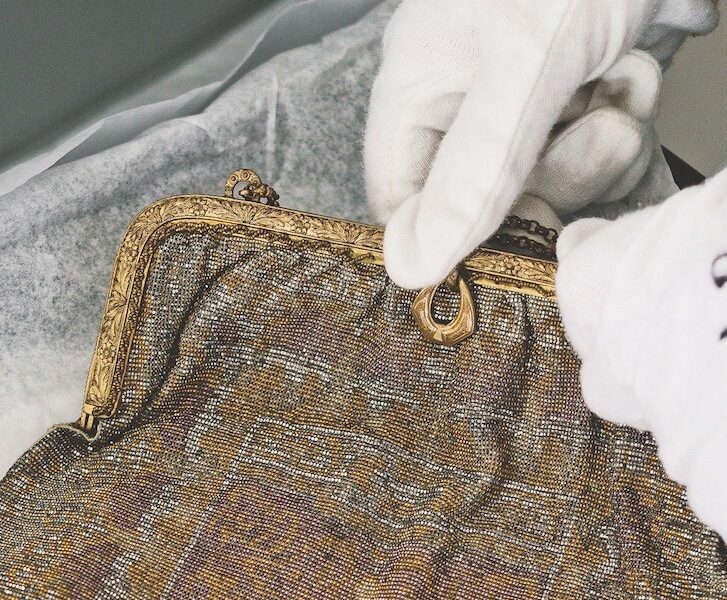
The collection is housed at Labassa and Glenfern House and is available to researchers by appointment. Skilled volunteers play a vital role in its care, supporting long-term preservation through archival storage, conservation and garment supports.
Items from the collection regularly feature in displays across National Trust properties. Tasma Terrace will host ongoing exhibitions drawn from the collection, with plans for these exhibitions to tour to other National Trust places across Victoria.
Statement of Significance
The Fashion and Dress collection is of historic, artistic and aesthetic, and research significance at national level.
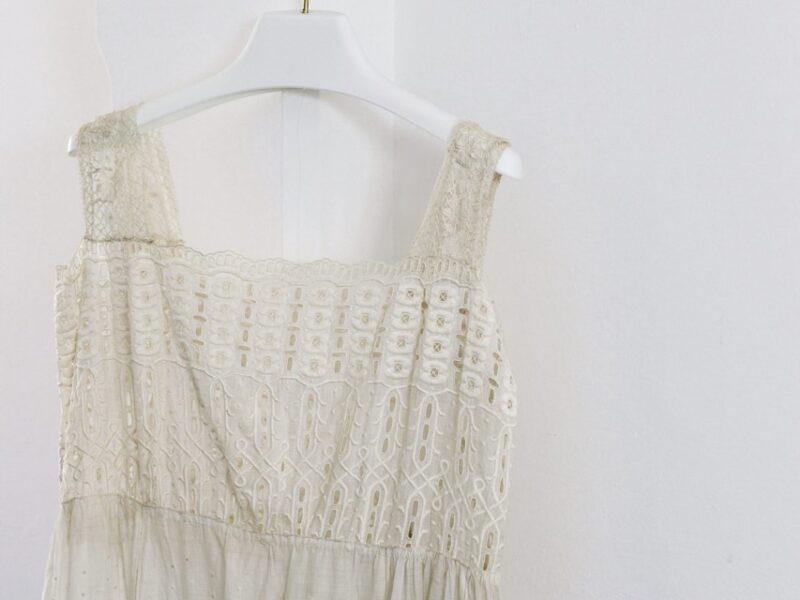
It is remarkably rich in its fashionable and everyday dress and deeply layered through its accessories, bodily adornment, and textiles that date across the nineteenth and twentieth centuries. This is especially the case for items related to women, whose garments, accessories, and work are well represented. These provide intimate evidence of women’s lives as snapshots in time: encapsulating style, beauty, modesty, and taste alongside employment, family life, and social expectations. It is also the case for children and men, though to a lesser degree.
The collection holds the potential to shed important light on how diverse people lived and the society they lived in. The collection represents the many ways that people obtained their dress, from that which was made at home, in the factory or at the hands of highly skilled designers. In this it also represents Victoria’s domestic economy, the rise and popularity of department stores, and the exclusive boutiques that flourished in Melbourne – Australia’s fashion capital. It suggests the value of thinking not only of makers but of others in the supply chain, including the conditions in which they worked to satisfy their clients’ passion for fashion, and the flow of ideas and goods.
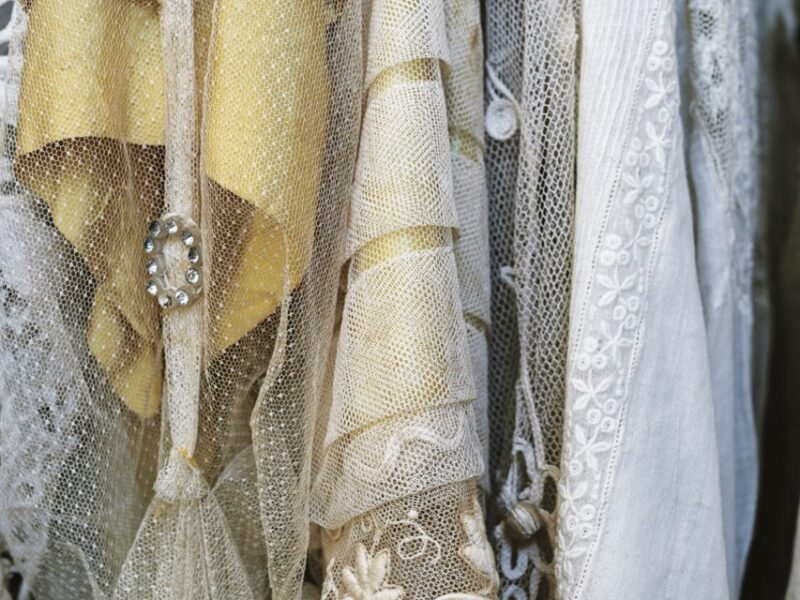
That the collection documents subtle shifts across years and larger changes that took place across decades is evidence of artistic and aesthetic significance. The collection offers a striking stylistic guide to transformations – those both minute and radical – in cuts, colours and cloths, and a range of other features besides. It delivers insights into transforming technologies and industry advances that enabled increasingly complex constructions. It contains exquisite examples of innovative and highly accomplished Australian fashion and design at its best.
The collection is proven to be of outstanding research significance. It acts as a source of inspiration for established Australian designers, stylists, and other arts practitioners, and as a catalyst for new creative directions for the next generation of emerging fashion leaders. As a rich, varied, and layered repository of dress, accessories, and textiles it promises to shed new light on intimate, personal histories but also Australia’s social and technological change as further research is completed.
The significance of the Fashion and Dress Collection is strengthened by its provenance, rarity and representativeness, condition, and through its considerable interpretative capacity. The collection provides unique opportunities for interpreting the past, as demonstrated in recent years by the National Trust of Australia (Victoria) through their bold, ambitious, and innovative exhibitions and public programs.
Source: Significance Assessment, Costume Collection, National Trust of Australia (Victoria)
February 24 2022. Authors: Lorinda Cramer & Alannah Croom