
Mulberry Hill Collection
The Mulberry Hill collection has historical significance at national level for its association with both Daryl Lindsay and Joan Lindsay and their broad and enduring contributions to Australian cultural life.
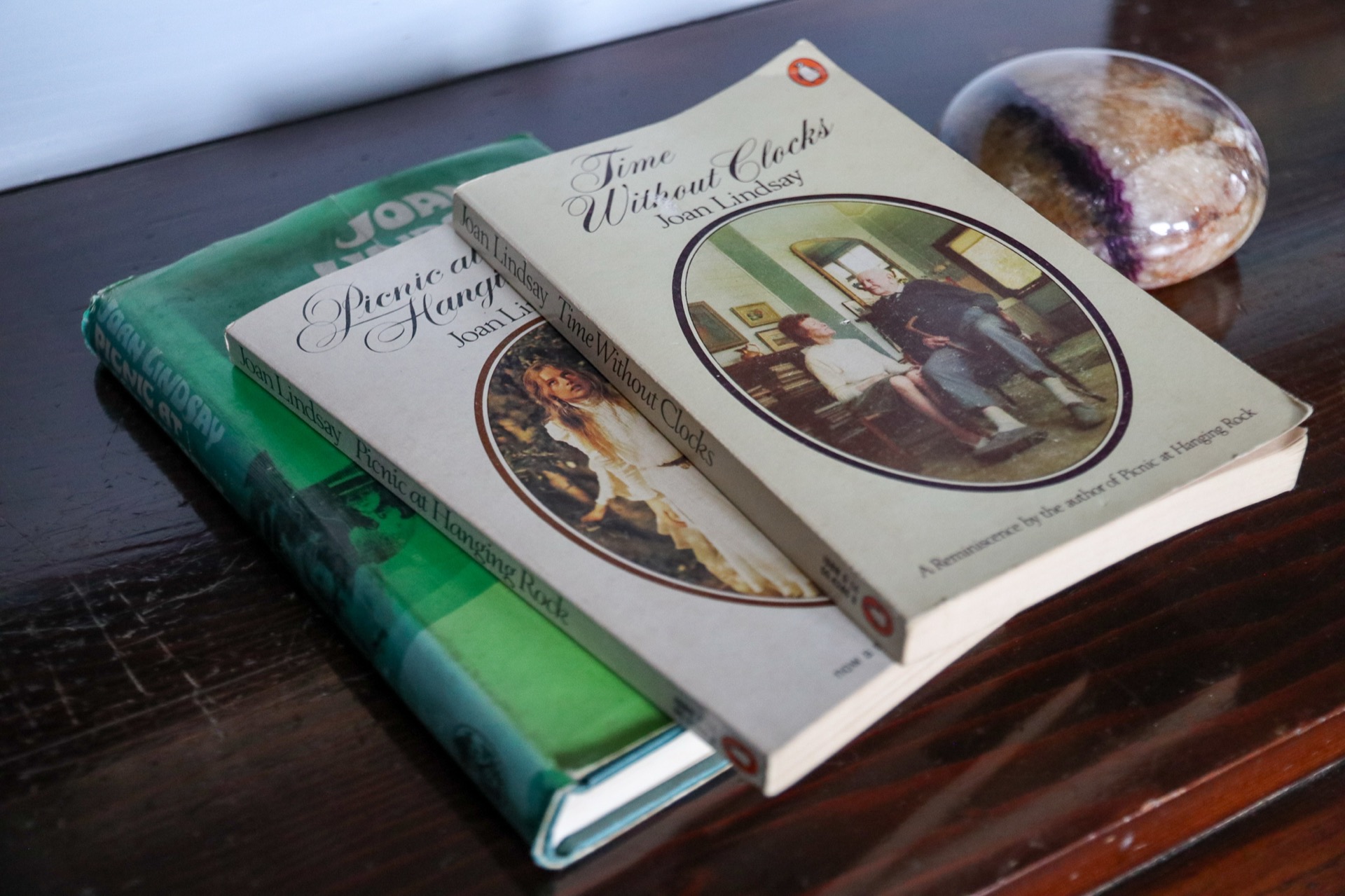
Joan Lindsay studied to become an artist then turned to writing after her marriage. Her novel, ‘Picnic at Hanging Rock’ (1967), is a classic of Australian literature and has become part of Australian folklore. A critical and popular success, the feature film of the novel, directed by Peter Weir, had a profound influence on the Australian film industry, the plot being a key factor in its lasting appeal.
Daryl Lindsay was a member of the influential Lindsay family of artists and writers, and a successful artist himself. As the Director of the National Gallery of Victoria between 1941 and 1956, he left a legacy that includes the artworks acquired during his directorship. In 1957 he was knighted for his services to Australian art. Daryl Lindsay was also a founding Chairman of the National Trust of Australia (Victoria) and played a primary role in its formation.
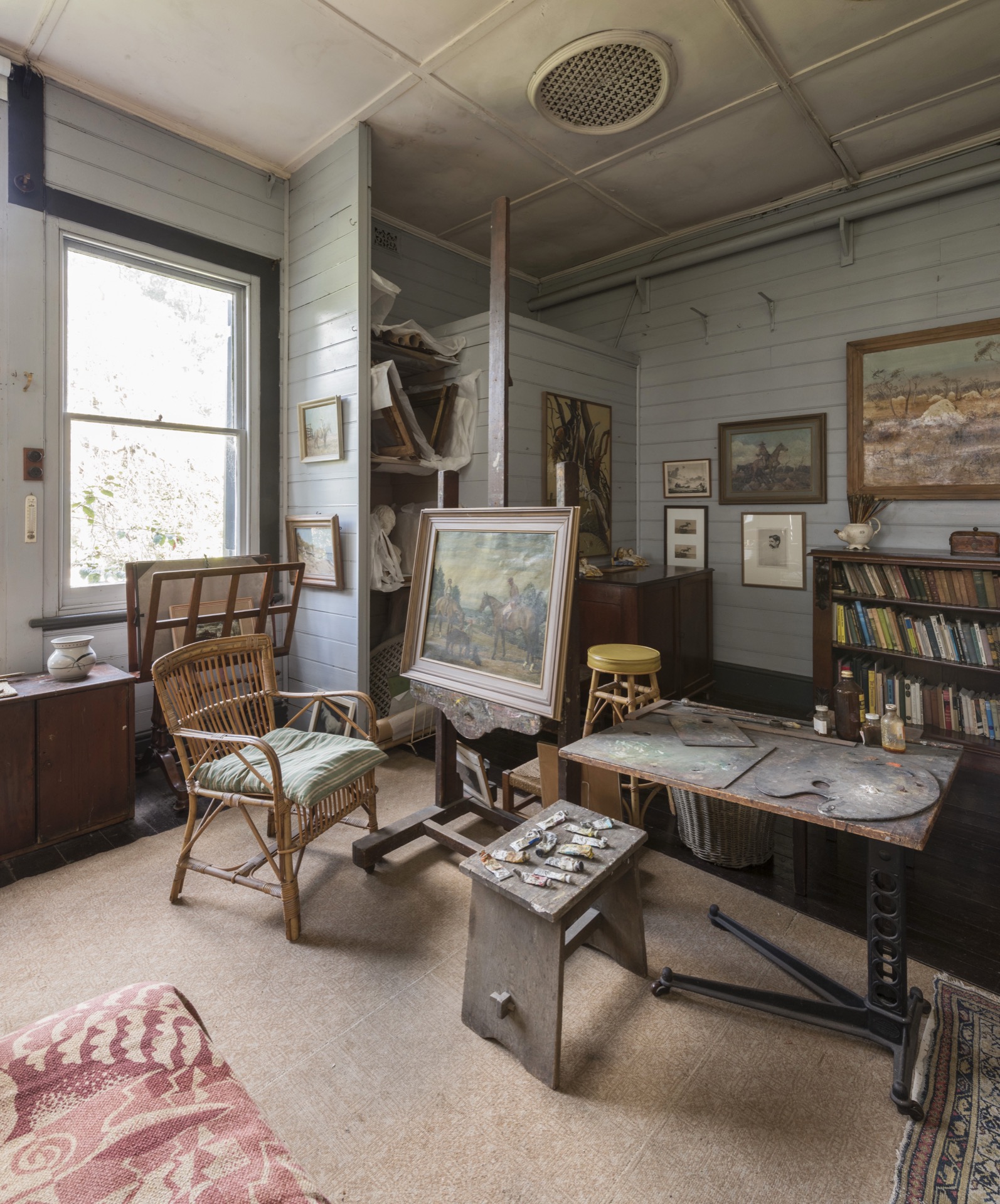
Daryl and Joan Lindsay moved to Mulberry Hill in 1926, to enable them to focus on their painting and Writing. They lived at Mulberry Hill for the remainder of their lifetimes. The collection is historically significant as an expression of the Lindsays’ professional, domestic, social, and cultural lives. Joan Lindsay’s writing room, where she wrote ‘Picnic at Hanging Rock’, is of particular interest as is Daryl Lindsay’s studio, where he painted and the couple socialised. The Lindsays entertained often and their guests included prominent figures in Australia’s artistic, political, and social circles. Many of the artworks and occasional pieces of furniture or decorative items that make up the collection were painted and/or gifted to the Lindsays by their friends.
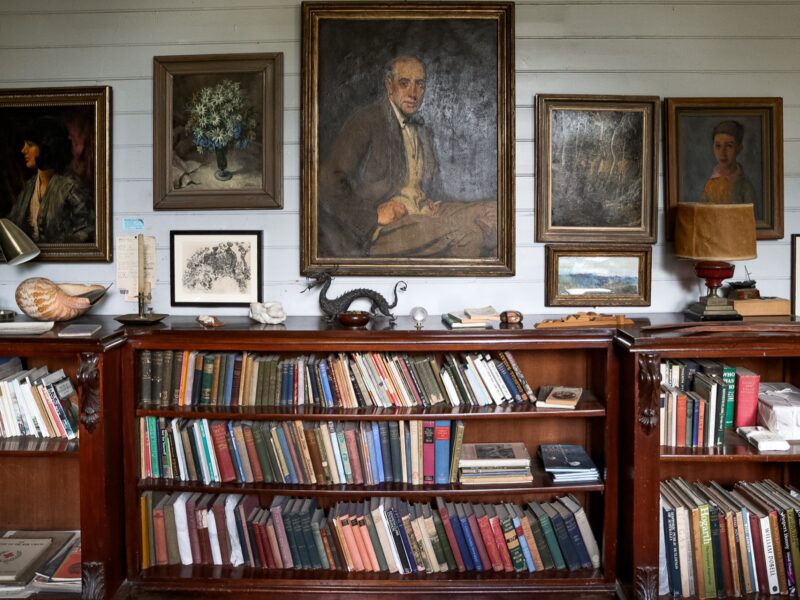
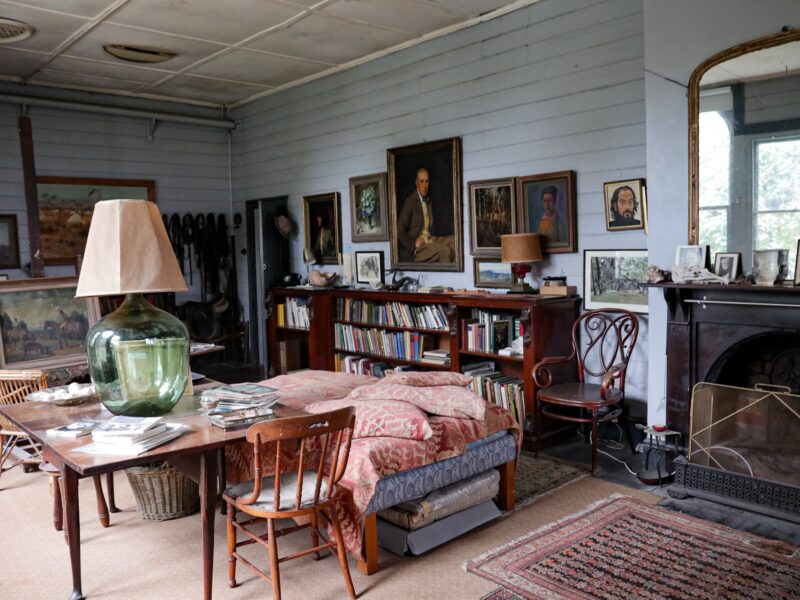
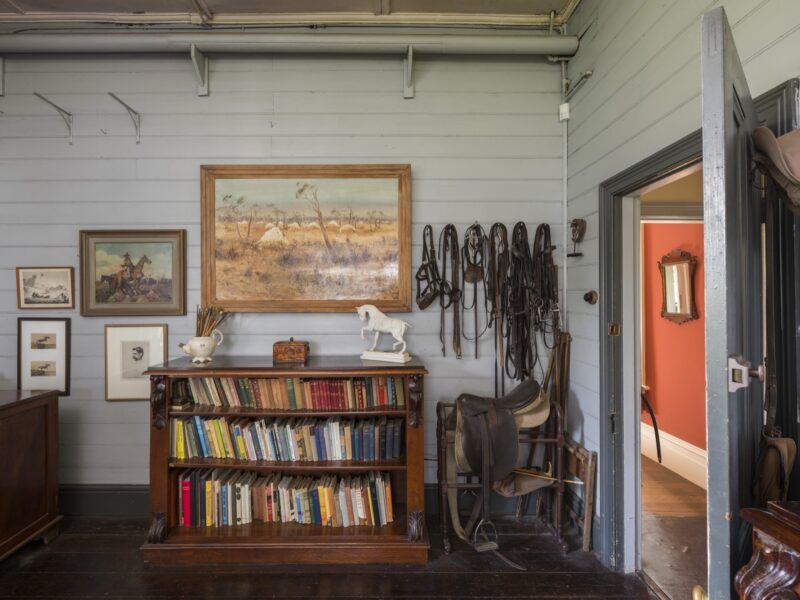
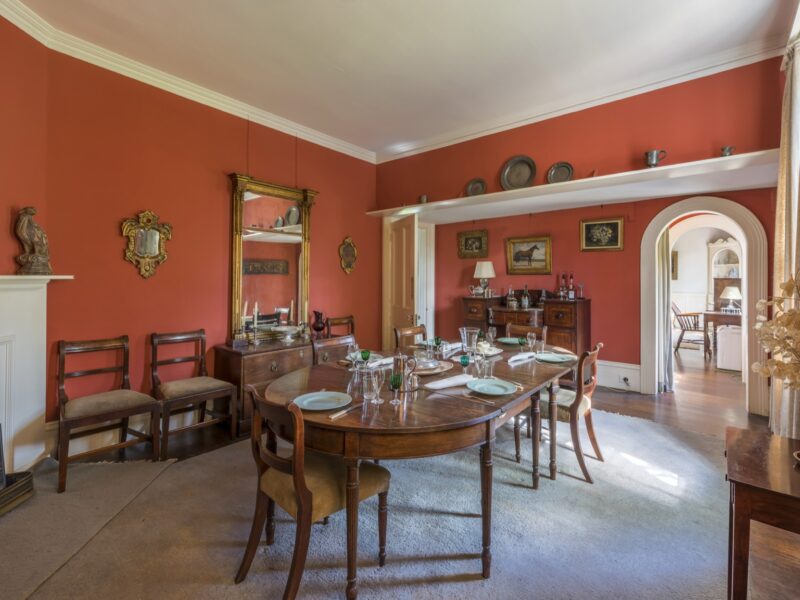
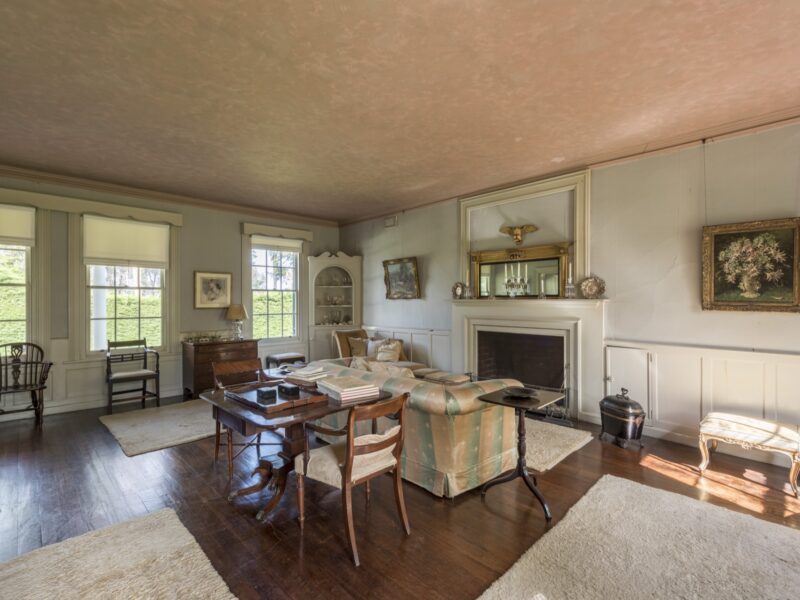
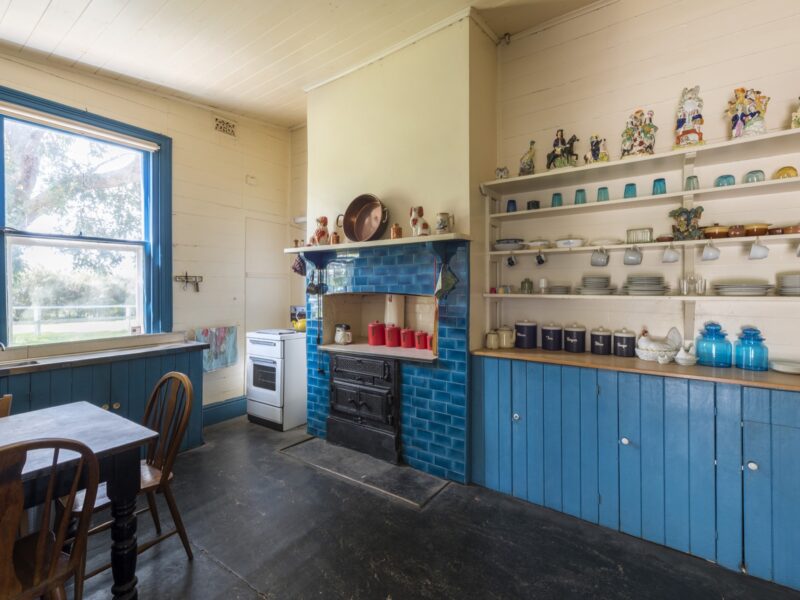
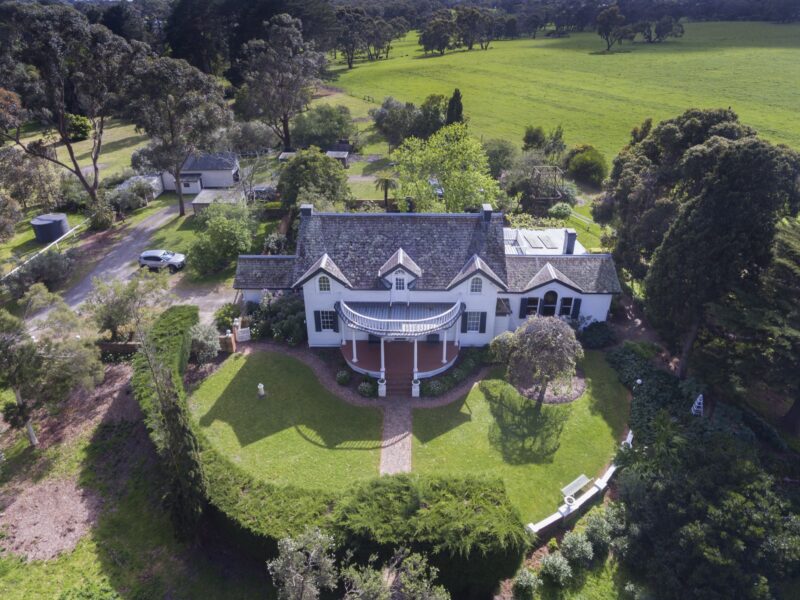
While the meaning of the collection is dependent on its relationship to the Lindsays and the house, there are objects, such as many of the artworks, that are significant in their own right and would retain their significance even if they were to be removed. Together, however, the artworks, the furnishings, the archival documents, and the house itself offer considerable scope for interpreting the social milieu the Lindsays inhabited and the political, cultural, and artistic influences that flowed both within and from it. The art collection features the works of several highly prominent Australian artists as well as works produced by Daryl Lindsay himself. It is quite possible this sub-collection of works is of national significance.
The Mulberry Hill collection is intact and in its original setting. It is a closed collection with clear and indisputable provenance. The completeness of the collection is unusual when compared to similar house museums – particularly those occupied by female artists and writers – and this enhances its rarity and interpretive potential.
Source: Mulberry Hill, Daryl and Joan Lindsay Collection
Significance Assessment, June 6 2023
History at Work – Dr Cherie McKeich and Emma Russell