
Como House Collection
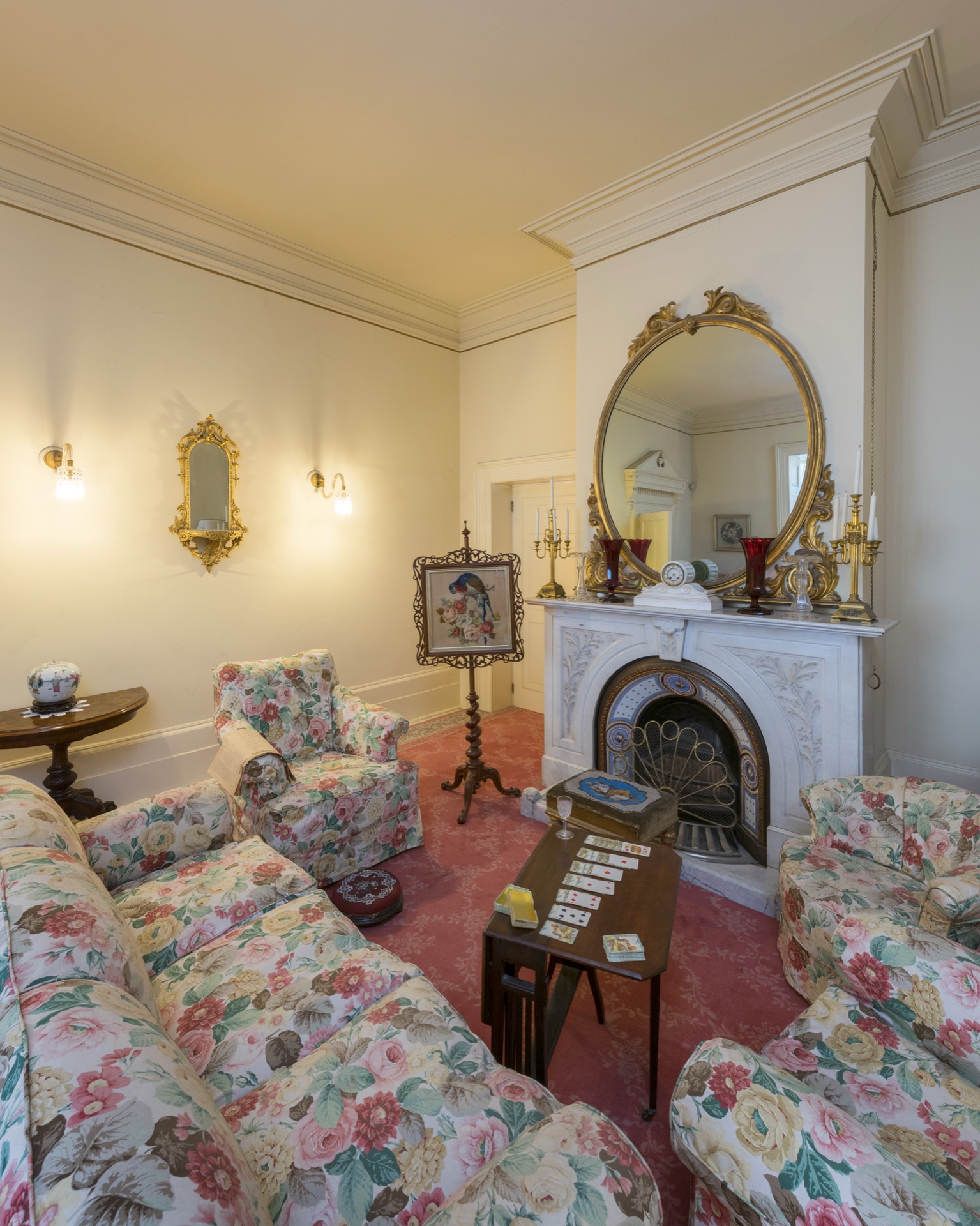
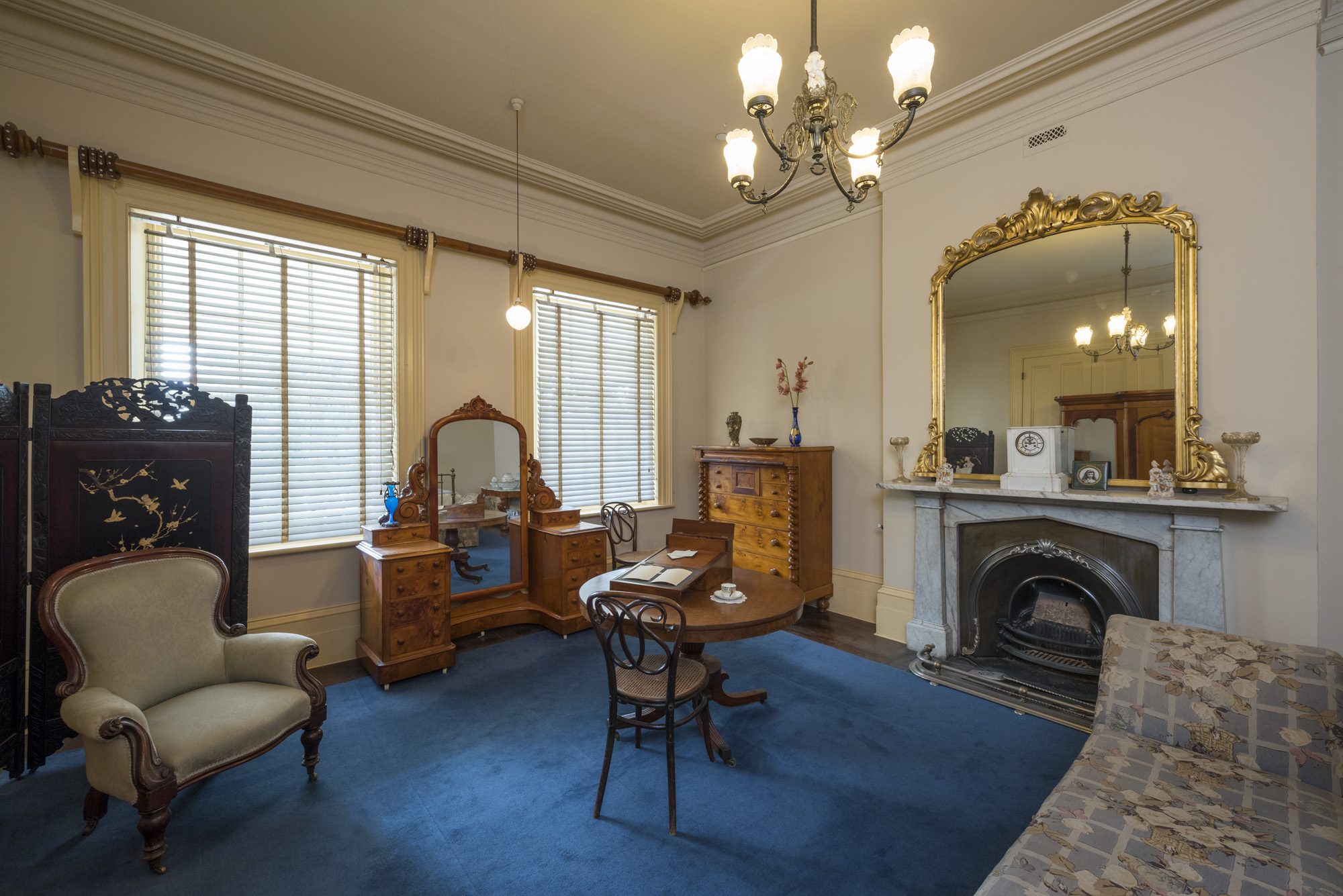
The Como House collection is primarily of historical and artistic or aesthetic significance, enhanced by its high degree of provenance and completeness, good condition, and interpretive capacity. It is an integral and essential part of the state-registered Como House and Gardens. Additionally, it is distinguished as the first in situ house museum collection in Australia.
The collection is historically significant for its long association with the prominent Armytage family, who lived, worked, and entertained at Como from 1864 until 1959. The bulk of the collection is primarily the legacy of the Armytage women (Caroline and her four surviving daughters Ada, Laura, Constance, and Leila), who adorned Como with an impressive array of furniture, textiles, and decorative arts. Many of these objects have a clear provenance, including furniture and décor purchased by Caroline Armytage during the family’s Grand Tour of Europe in 1876-1880. More broadly, the collection highlights the relationship between wealthy Australian women and their homes during the late nineteenth and early twentieth centuries.
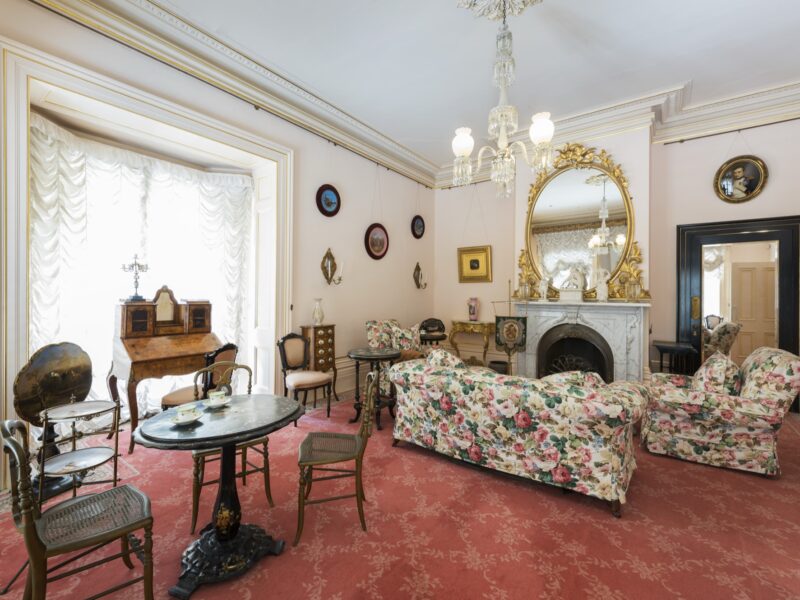
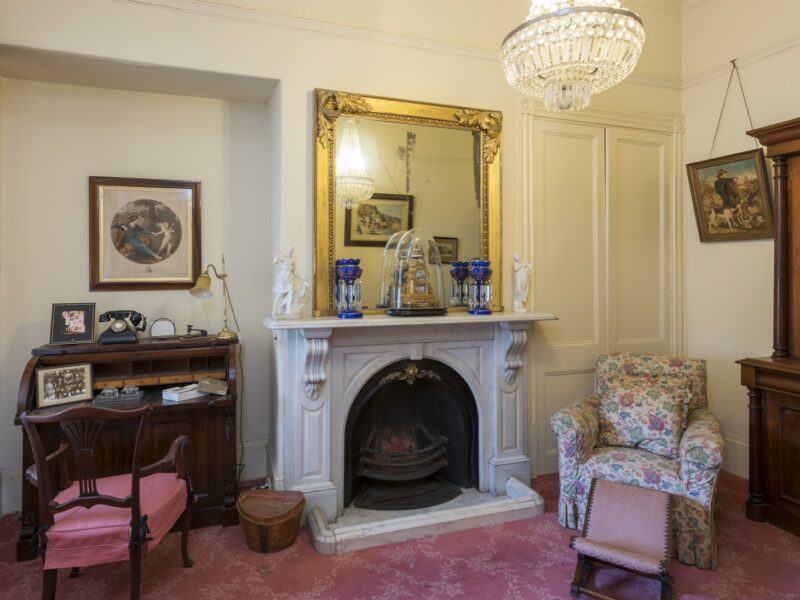
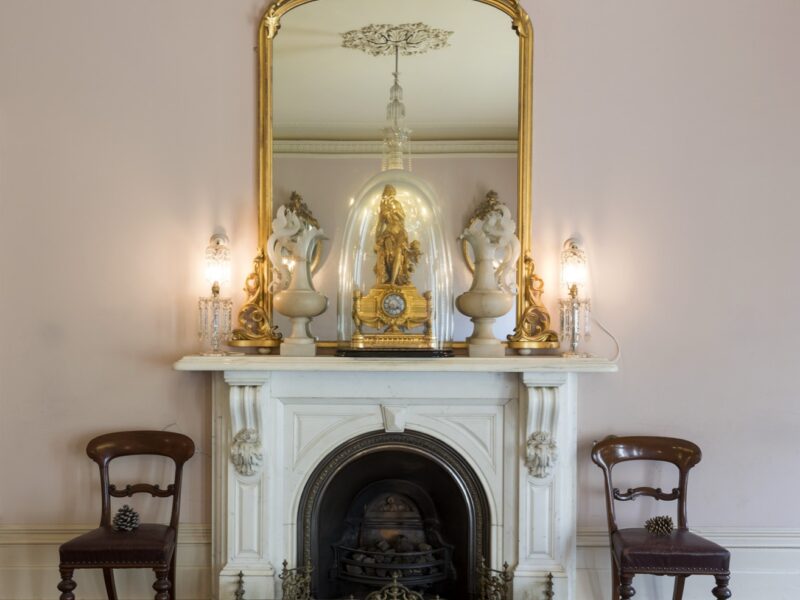
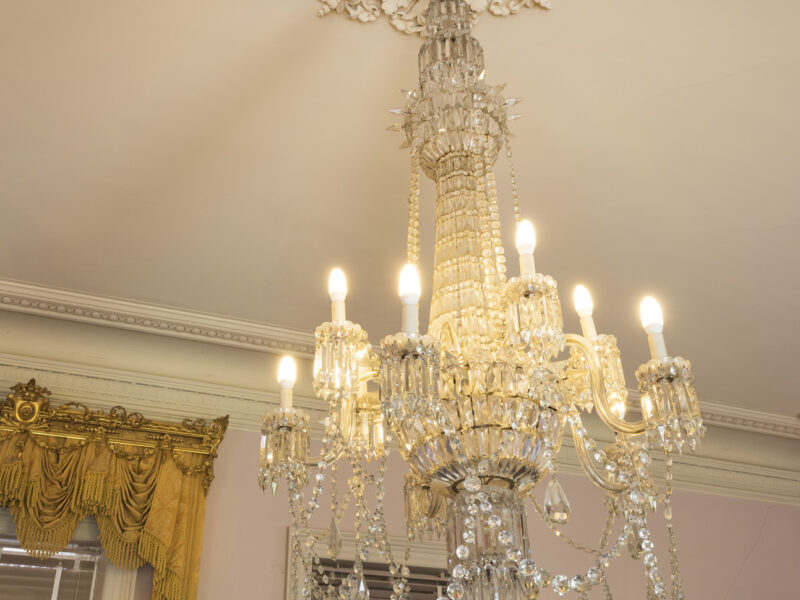
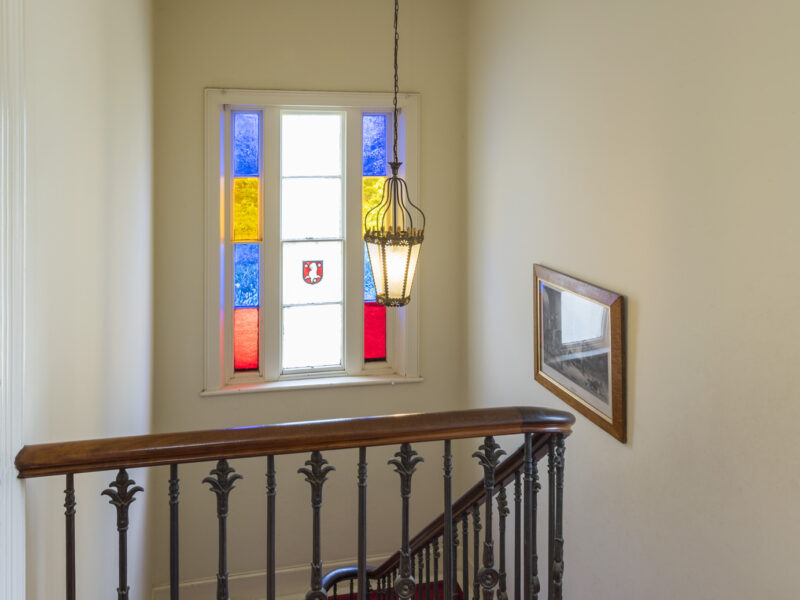
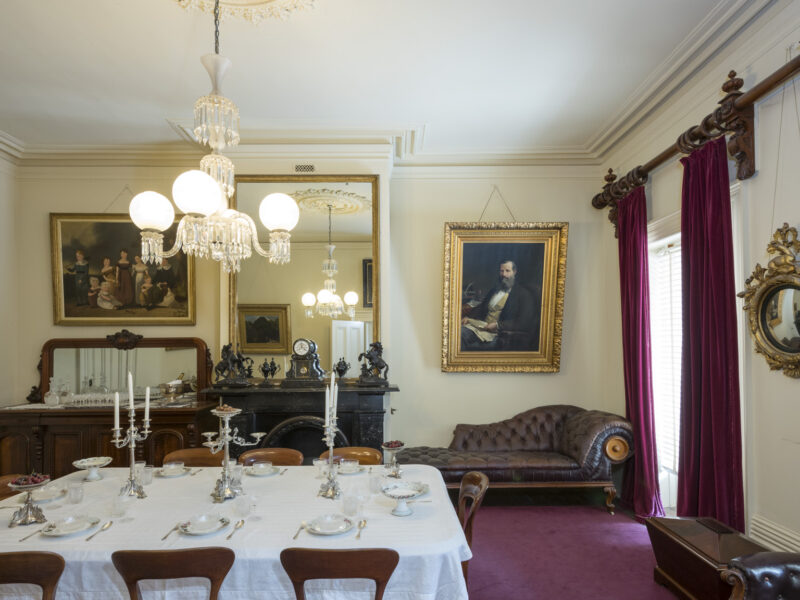
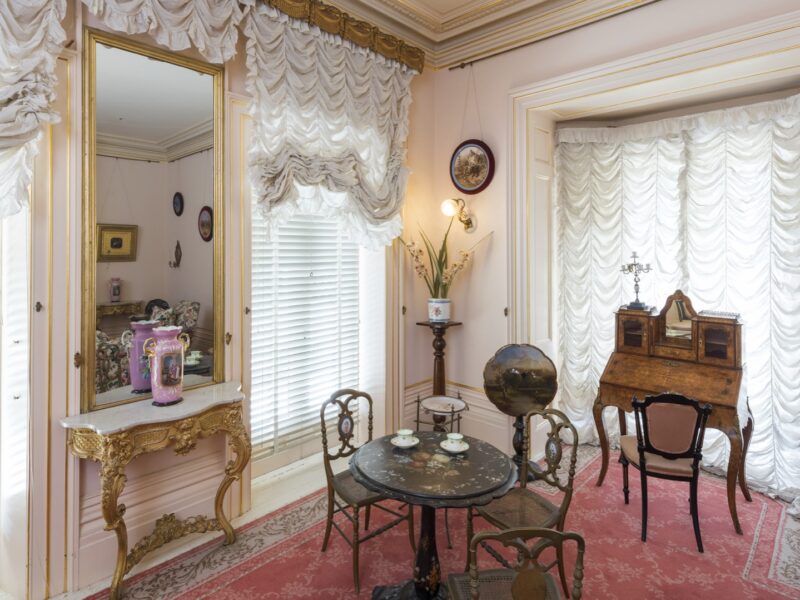
The collection is artistically and aesthetically significant for its array of fine and highly intact furniture, textiles, furnishings, decorative objects, and artwork. Works by Arthur Merric Boyd, Theodore Penleigh Boyd and William Tibbits are particularly notable as they depict Como at different stages in its early history. These works also speak to the Armytages’ favourable standing in Melbourne society, particularly their close relationship with the Boyd family. While much of the collection is representative of late Victorian and early Edwardian styles, the collection holds many objects which demonstrate a high level of skill and craftsmanship. The quality of each piece further suggests that these items were well made and cared for throughout their years of use.
Source: Significance Assessment: Como House Collection Final Report
Produced for the National Trust of Australia (Victoria)
December 2023